Japandi Living Room Ideas on a Budget: Calm, Low, and Light

Hey There! Some links on InexDecor.com are affiliate links. If you make a purchase through them, we may earn a small commission at no extra cost to you. We only recommend trusted products to support our content. Thank you for your support!
Japandi Living Room Ideas on a Budget: Calm, Low, and Light
japandi living room ideas work because they remove noise. Japanese minimalism plus Scandinavian warmth gives you low furniture, light wood, soft neutrals, and a few honest materials, and a room that feels calm the moment you walk in, not staged or empty. You do not need a new sofa or a full remodel.
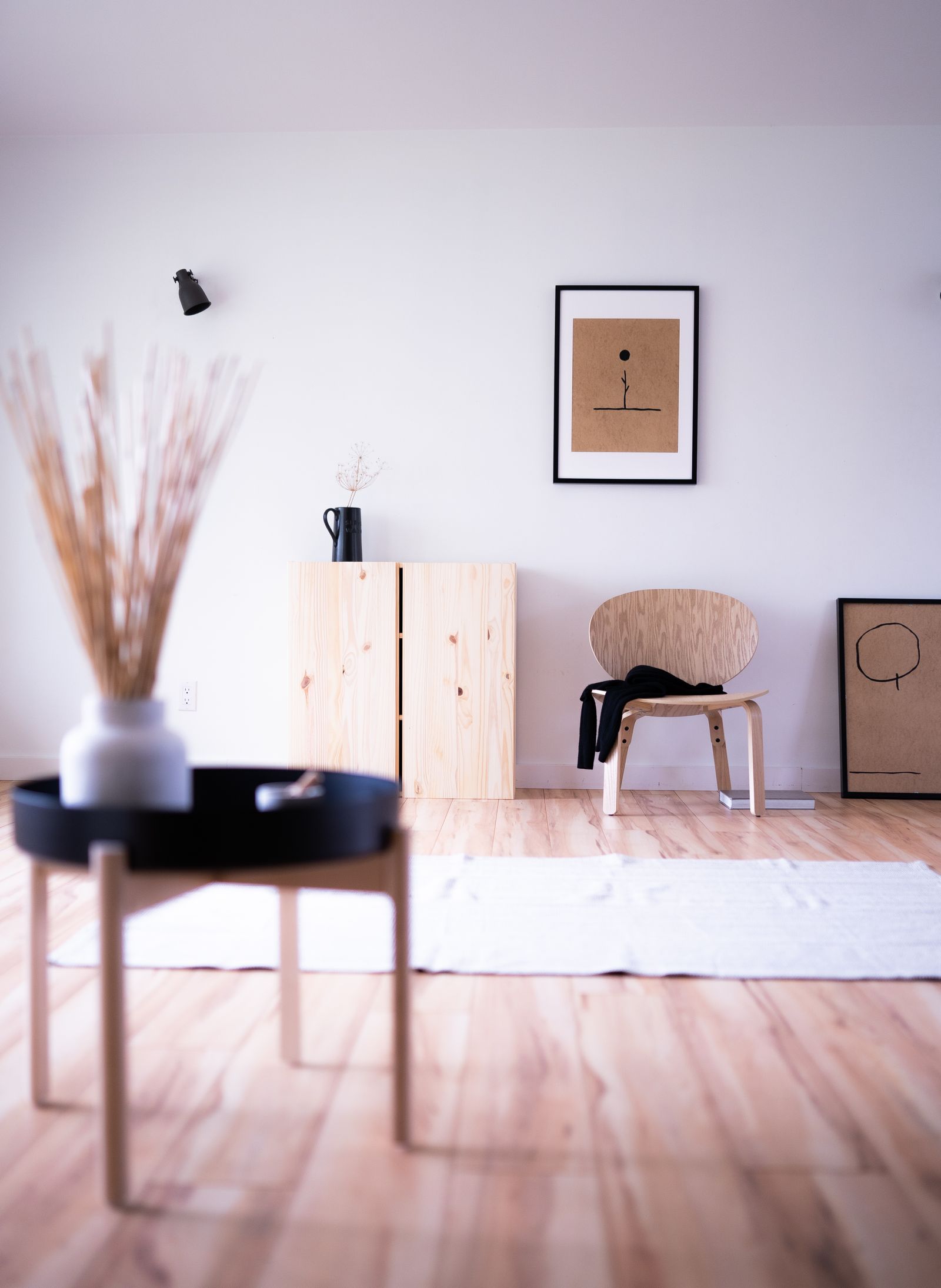
Table of Contents
- Key Takeaways
- What Is Japandi?
- The Japandi Palette and Materials
- Japandi Living Room Ideas: The 7-Step Plan
- Low Furniture: Sizing and Placement
- Rugs, Light, and Texture
- Budget Swaps and Three Budget Tiers
- Four Picks That Fit the Look
- Seven Mistakes That Break the Calm
- Care and Maintenance for Natural Materials
- Buying and Placement Guide
- FAQs
- Conclusion
Key Takeaways
- Japandi = low + light + calm. Low furniture, light wood, soft neutrals, and empty space do most of the work.
- Keep the palette tight: warm white, light wood, black, and one muted accent: sage, clay, or stone.
- Choose low furniture with visible legs and clean lines.
- Add texture, not pattern: linen, wool, rattan, paper, ceramic, and raw wood.
- Spend on the rug and lighting first; save on decor by removing it.
- Leave one surface empty in every view.
1. What Is Japandi? 2. The Japandi Palette and Materials 3. Japandi Living Room Ideas: The 7-Step Plan 4. Low Furniture: Sizing and Placement 5. Rugs, Light, and Texture 6. Budget Swaps and Three Budget Tiers 7. Four Picks That Fit the Look 8. Seven Mistakes That Break the Calm 9. Care and Maintenance 10. FAQs 11. Conclusion
What Is Japandi?
Japandi blends Japanese wabi-sabi, beauty in imperfection and natural ageing, with Scandinavian hygge, the comfort, light, and function of a home made for long winters. The result feels quiet but not empty, warm but not cluttered. Nothing shouts. Everything earns its place by being useful, beautiful, or both.
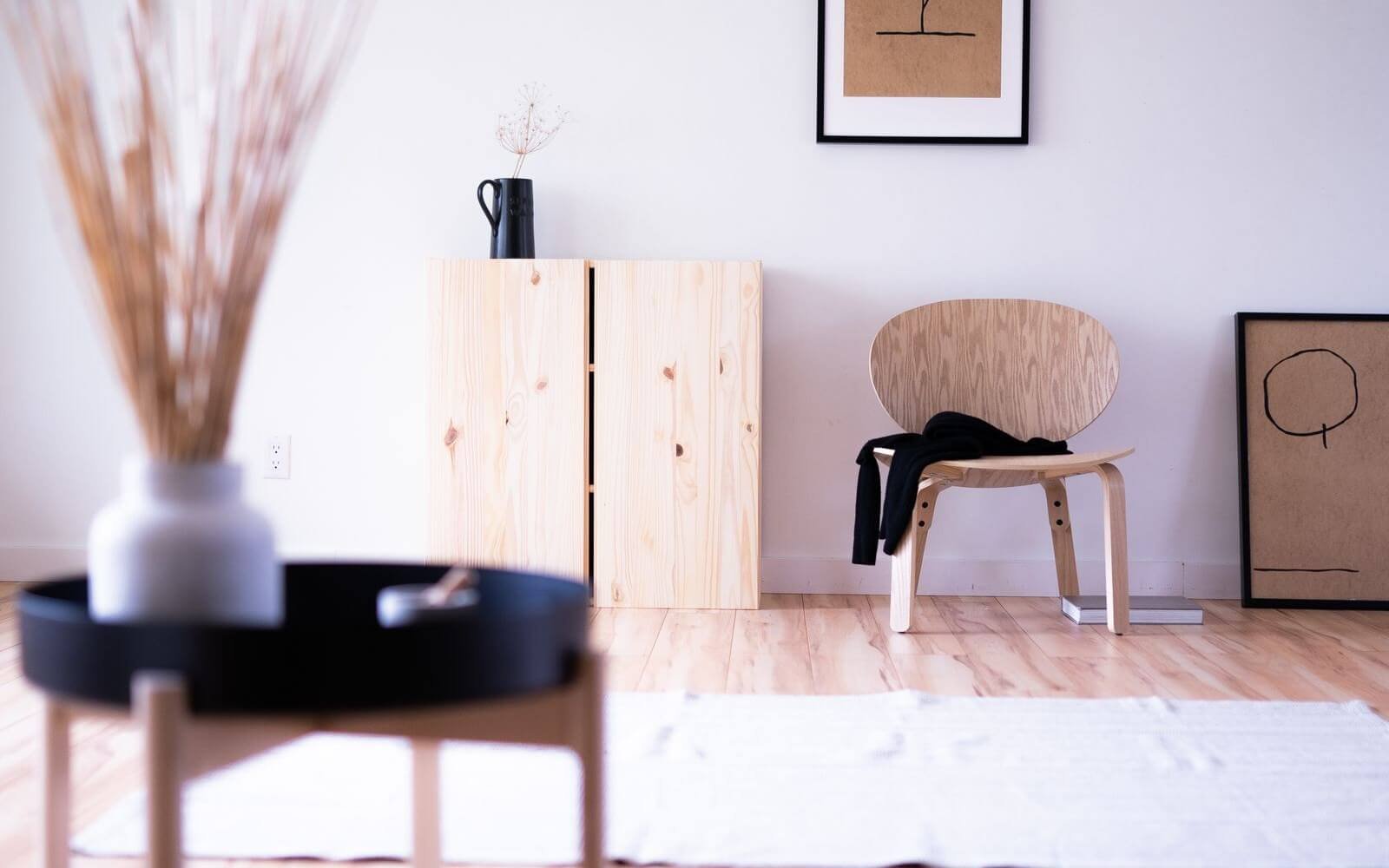
Low profile: sofas, chairs, and tables sit close to the floor, lowering the eye line and making ceilings feel higher. Light wood: oak, ash, and beech, in a natural or pale finish, never dark gloss. Soft neutrals: warm white, greige, stone, and muted sage or clay. Honest materials: linen, cotton, wool, rattan, ceramic, and unfinished wood. Negative space: one empty surface in every view.
If you want to test proportions first, our guide to modern living room design with AI in Planner 5D shows how to model a low sofa, rug, and lamp layout in a 3D floor plan.
The Japandi Palette and Materials
The four-colour rule
Start with warm white on the walls: not brilliant white, which can look cold under LED light, and not cream, which can turn yellow. Add light wood as the second colour: oak or ash floors, a pale coffee table, open shelving. Black is the third colour, used sparingly: a thin frame, a lamp base, a ceramic vase, chair legs. It gives the pale palette definition. The fourth colour is a single muted accent, in small doses: sage cushions, a clay throw, a stone-grey rug. Pick one accent and repeat it two or three times, in different textures.
Materials that earn their place
Texture is the decoration in a Japandi room, so choose materials you want to touch. Linen softens with washing and wrinkles in a way that looks lived-in. Wool adds warmth in winter and breathes in summer. Rattan and cane bring a woven pattern without a printed one. Paper, in a lantern or shade, diffuses light so it glows instead of glaring. Ceramic, especially handmade or matte-glazed, adds weight and a slight irregularity. Unfinished or lightly oiled wood shows grain and ages with a patina.

Japandi Living Room Ideas: The 7-Step Plan
Step 1: Clear one wall completely
Pick the wall you see first when you enter and remove everything from it: pictures, shelves, hooks, the leaning mirror, the stack of books. Then add back at most one thing: a single framed print, a low bench, or nothing at all.
Step 2: Lower the coffee table
A coffee table 30–35 cm high is ideal: low enough to keep sightlines open, high enough to reach a cup from the sofa. If yours is taller, look for a low replacement second-hand, or remove the table for a week and use a floor cushion and a small side table instead. Keep the tabletop mostly clear: one book, one small ceramic piece, or nothing.
Step 3: Swap dark wood for light wood
Do not replace every dark piece at once: start with the piece closest to eye level: the coffee table, then a side table, then a media unit. Light-wood veneer, second-hand ash, and pale oak-look pieces all work on a budget. If you love a dark piece, keep one. A single dark sideboard can anchor a pale room. But do not let dark wood dominate.
Step 4: Choose a low-pile rug in warm white or greige
Choose low-pile: flatweave, jute, or short wool pile, so the texture reads as calm, not shaggy, and chair and table legs sit steadily. Size matters more than pattern: the rug should be 20–30 cm wider than the sofa on each side, with the front legs of the sofa and chairs on it, about 160 × 230 cm for a two-seater, or 200 × 290 cm for a three-seater.
Step 5: Add one paper lantern or linen-shaded lamp
One paper lantern, hung low over a corner or a side table, or one linen-shaded floor lamp beside the sofa, gives a warm, diffused glow in the evening. Choose a warm 2700K bulb and a dimmer if you can, so the same lamp works for reading and for winding down. Avoid cool white and bare bulbs: they flatten the soft palette and make pale wood look grey. Our guide to the best floor lamps for reading covers the seating-corner half of this.

Step 6: Add one plant with sculptural leaves
One plant is enough: a plant with sculptural leaves: an olive tree, a fiddle-leaf fig, a snake plant, or a monstera, in a plain ceramic or terracotta pot, in a clear spot where its shape can be seen from the sofa. A single large plant does more than five small ones crowded on a windowsill.
Step 7: Leave one shelf half empty
Choose one shelf: a bookcase shelf, a sideboard top, a mantel, and leave half of it empty. Put back only the pieces you would miss: a few books standing upright, one ceramic vase, one framed photograph. The empty half is not wasted space; it lets the kept pieces be seen. Revisit the shelf once a month, and remove anything that has crept back on.
Low Furniture: Sizing and Placement
A Japandi sofa typically has a seat height of 35–42 cm, a back height of 70–80 cm overall, and legs of 8–15 cm that show the floor beneath. Compare a standard sofa at 45–48 cm seat height and a back over 90 cm, and the difference is visible from the doorway. If you cannot replace your sofa, lower its visual height instead: remove tall back cushions, use low-profile cushions, or fit shorter legs.
Place the sofa against the longest wall, or floating with its back to the room in an open plan, with at least 75 cm of walkway behind it. Leave 40–45 cm between the sofa and the coffee table, and keep side tables within reach of the sofa ends. A coffee table should be about two-thirds the sofa’s length, never longer. A picture above the sofa should be about two-thirds the sofa’s width, hung with its centre at eye level, around 145 cm from the floor.
The same low, pale approach opens up a compact bedroom too. See the bedroom design with AI in Coohom guide.
Rugs, Light, and Texture
Low-pile rugs are easier to clean, safer for chair legs, and truer to the Japandi look than deep pile. Natural fibres: jute, sisal, wool, and cotton. Add texture without pattern, and they age with a patina rather than wearing shiny. Jute is the budget choice: warm, textured, and durable, though it sheds at first and feels firm underfoot. Wool is softer and warmer, and it resists stains better than cotton, but it costs more. A wool-jute blend is a good compromise.

Keep light warm and texture layered: one 2700K floor lamp, a linen cushion with a wool throw, and a rough ceramic vase on smooth pale wood. The modern dining room design with AI in Homestyler guide uses the same texture-first approach around a dining table. For the wider method, our 12-step guide to a stylish, functional living room pairs well with this style, and the Living Room hub collects every layout beyond it.
Budget Swaps and Three Budget Tiers
Instead of a new low sofa, use low legs on your existing sofa or a floor cushion set for extra seating. Instead of solid oak, use light-wood veneer or second-hand ash, the grain and colour matter more than the solid-wood label. Instead of linen curtains, use a cotton-linen blend in warm white. Instead of a designer lantern, use a paper floor lamp or a simple linen-shaded lamp. Instead of a new rug, try a plain jute rug, often the cheapest natural-fibre option.
| Tier | Budget | What to buy first | What to skip for now |
|---|---|---|---|
| Edit only | £0–£50 | Declutter, clear one wall, swap sofa legs, warm bulbs | New furniture, new rug, new decor |
| Refresh | £150–£400 | Low-pile rug, one warm floor lamp, linen-look cushions and a throw | New sofa, designer lighting, new shelving |
| Full change | £600–£1,200+ | Low sofa or second-hand oak pieces, rug, lamp, plant and pot | Matching sets, patterned rugs, extra decor |

Four Picks That Fit the Look
These are the original picks, kept exactly as chosen. Each one fits the low, light, calm brief, and each is a small purchase that can be tried without committing to a new sofa.
1. Low Platform Coffee Table in Light Wood

Low platform coffee table in light wood, the one piece worth buying new, because it anchors the whole room. Low, light wood with the grain showing; it lowers the eye line and makes the ceiling feel higher. Use it as the room’s centre and keep the top mostly clear: one book, one small ceramic piece, or nothing.
2. Paper Lantern Floor Lamp

Paper lantern floor lamp: warm, diffused light that glows instead of glaring, and the room’s evening signature. Place it beside the sofa or in a dark corner, with a warm 2700K bulb, so the same lamp works for reading and for winding down. A reading lamp is also a Japandi lamp when the shade is paper and the light is warm.
3. Linen Cushion Covers in Oatmeal / Cream

Linen cushion covers in oatmeal / cream. Swap the covers, not the sofa. Linen softens with washing and wrinkles in a way that looks lived-in, and oatmeal or cream warms the palette without a new purchase. Two cushion covers in palette colours, plus one textured throw, are enough.
4. Seagrass Storage Baskets

Seagrass storage baskets, natural texture that hides the clutter negative space depends on. Use them for throws, books, and the everyday objects that would otherwise crowd every surface, and leave one corner of the room deliberately empty.
The bedroom version of this calm is its own article: our Scandinavian bedroom ideas take the sister style into small sleep spaces.
Seven Mistakes That Break the Calm
1. Too many small objects. Ten small vases, candles, and frames on a sideboard read as clutter even if each one is beautiful. Keep one or two objects per surface and store the rest.
2. A rug that is too small. A rug that ends before the sofa legs makes the seating area look unfinished. Measure the sofa first, then buy the rug.
3. Cool white light. A 4000K or daylight bulb makes warm white walls look grey and pale wood look washed out. Use 2700K throughout.
4. Dark, glossy wood. One dark piece can anchor a room, but dark gloss on a coffee table, media unit, and sideboard together will dominate the pale palette. Swap the largest dark piece first.
5. Pattern overload. A patterned rug, patterned cushions, and patterned curtains compete with each other. Choose plain textures and let one subtle pattern, if any, be the exception.
6. Filling every shelf. A bookcase filled to the edge leaves no negative space. Leave a third of each shelf empty, and a whole shelf half empty.
7. Buying a matching set. Matching sets look tidy in a shop and flat at home. Mix pale woods and simple shapes, one piece at a time.

Care and Maintenance for Natural Materials
Light wood needs dusting with a dry or slightly damp cloth and an occasional coat of hardwax oil or pale furniture oil. Once or twice a year is enough for a table. Avoid silicone sprays, which build up a shine that fights the matte Japandi finish. Wipe spills promptly, use coasters under hot cups, and keep wood out of direct, strong sunlight where you can.
Buying and Placement Guide
If you are planning a wider refresh, the same thinking works in the modern home office design with AI in Coohom guide, in the modern kids room design with AI in Planner 5D guide, and outdoors in the modern balcony design with AI in Homestyler guide.
FAQs
What colours work in a Japandi living room?
Warm white, greige, stone, light oak, black accents, and one muted sage or clay are the core Japandi colours: warm white on the walls, light wood for furniture, black sparingly for definition, and your single muted accent in cushions or a throw. If you love a stronger colour, give it one small place and keep everything around it neutral.
Can Japandi work in a small living room?
Yes, it is ideal for small rooms, because low furniture and light colours make the space feel larger: a low sofa leaves more wall visible, a pale rug reflects light, and one sculptural plant adds height without a tall bookcase. Keep the centre clear, choose a rug 20–30 cm wider than the sofa on each side, and leave one shelf half empty. In a small room, empty floor and wall are what make it feel bigger.
Is Japandi expensive?
No, the style is about removing things, so the cheapest version costs almost nothing. Start with decluttering, clearing one wall, and warming the light bulbs. Then spend on a rug and lighting, which change the room most, and save on decor by not buying it. Second-hand light wood, a plain jute rug, and a cotton-linen curtain blend keep the refresh to a few hundred pounds or dollars.
What wood is best for Japandi?
Light oak, ash, and beech are the best woods for Japandi, in a natural, pale, or lightly oiled finish: they reflect light, show a soft grain, and sit happily next to warm white and greige. Avoid dark mahogany and high-gloss finishes, which dominate a pale palette and read as formal rather than calm. Keep to no more than three wood tones in one room, close in value so they feel collected, not matched.
How do I keep a Japandi room from feeling cold?
Add texture, not colour or pattern: wool throws, linen cushions, rattan, a jute rug, and warm 2700K lighting. A room feels cold when its surfaces are all smooth, pale, and hard, so pair a smooth wood table with a rough ceramic vase and a linen sofa with a chunky wool throw. One plant, a warm lamp in the evening, and a soft rug underfoot do more to warm a room than a brighter colour ever will.
How do I stop a Japandi room from looking empty?
Leave one surface empty, but not every surface, the goal is negative space, not a bare room. Keep the pieces you use and love: a low sofa with two cushions, a rug, a lamp, a plant, and one or two objects per surface. Texture, warm light, and a lived-in material like linen or oiled wood stop the room feeling like a showroom. If a corner still feels bare, add a plant or a floor cushion.
Conclusion
japandi living room ideas are not a shopping list. They are a way of editing a room until only the calm, useful, beautiful things remain: low furniture, light wood, soft neutrals, honest texture, and space to breathe. Start with one wall, one rug, and one lamp, and let the rest follow: lower the table, warm the light, choose a rug that fits the sofa, and leave one shelf half empty.

My name is Mahi Uddin, and I’m a blog writer with over two years of experience specializing in creating engaging, informative content using AI tools. I contribute to InExDecor.com, where I share creative ideas and practical tips for transforming interior and exterior spaces into beautiful, functional environments. With a passion for storytelling and a knack for blending creativity with technology, I strive to craft blogs that not only inform but also inspire readers. When I’m not writing, you can find me exploring design trends or enjoying a good book with a cup of coffee.