Home Design Generator with Multiple Styles and AI in Homestyler: Step-by-Step Guide

Hey There! Some links on InexDecor.com are affiliate links. If you make a purchase through them, we may earn a small commission at no extra cost to you. We only recommend trusted products to support our content. Thank you for your support!
Some links on InexDecor.com are affiliate links. If you make a purchase through them, we may earn a small commission at no extra cost to you.
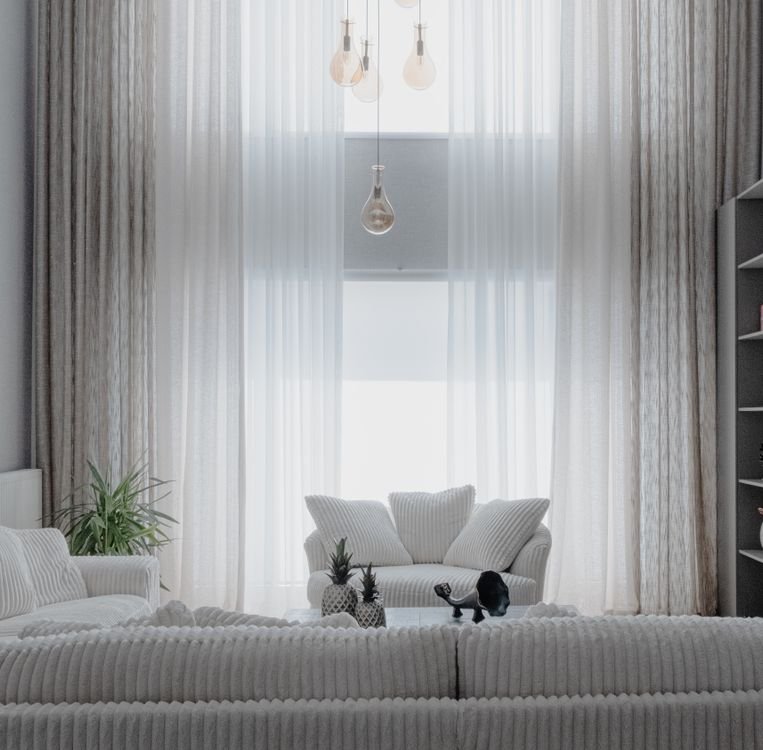
Introduction
home design generator with multiple styles and AI in Homestyler is the fastest way to find the style your home actually wants. Most people know they dislike their living room, but they cannot name what they would like instead: modern, Scandinavian, coastal, farmhouse, or something else entirely. Guessing means repainting twice and buying furniture you return. Homestyler removes that guessing: you upload one photo of your room, and the AI generates the same room in eight different styles in minutes, so you can compare them side by side in 3D before you spend a single taka. The style you keep returning to is the one you like, and the render proves it works in your room before anything is bought.
This guide shows you the whole workflow: photographing and measuring your room, generating every style free, comparing palettes, furniture and lighting in 3D, and turning the winning style into a shopping list you can trust.
Key Takeaways
- One photo generates the same room in eight styles, so you compare real versions instead of imagining them.
- Test every style in 3D with your real measurements before you buy anything.
- Keep one palette across the whole house so every room feels connected.
- The style you return to twice is usually the right one: trust the render, not the trend.
- Start free and upgrade only if you need more renders.
- A style test costs nothing; a wrong sofa costs hundreds.
Table of Contents
Introduction | Key Takeaways | What Is a Home Design Generator with Multiple Styles and AI in Homestyler? | How to Generate Home Designs in Multiple Styles. Step by Step | 8 Home Styles Compared | How to Compare Styles and Choose the Right One | Common Mistakes to Avoid | Budget Tiers | Homestyler vs Planner 5D vs Coohom | Frequently Asked Questions | Conclusion
What Is a Home Design Generator with Multiple Styles and AI in Homestyler?
A home design generator with multiple styles and AI in Homestyler is a tool that takes one photo of your room and generates it again in many different styles, free. You upload the photo, describe the look you want in plain words, and the AI produces finished designs: modern, Scandinavian, minimalist, coastal, farmhouse, Japandi, boho and industrial, each showing the same walls and window with a different palette, furniture and mood. Then you rebuild the best version in the 3D planner with your real measurements and render it in daylight and at dusk.
Homestyler combines three things in one free plan: an AI restyle tool for photos, a 3D planner for your real measurements, and a render engine that shows each style in realistic light. Together they answer the hardest question in home design. Not “what is trendy” but “what suits my room”. For the single-style version of the same method, see our home design with AI in Homestyler guide.
How to Generate Home Designs in Multiple Styles: Step by Step
Generate your room in eight styles in one evening, in seven steps.
Step 1: Walk through your home and list what bothers you
Walk through your home with a notebook and write down what bothers you in each room. The living room is too dark in the evening, the kitchen has no counter space, the bedroom feels cold, the hallway feels like a tunnel. This list is your design brief. Rank the rooms from most annoying to least, and start with the worst one.
Step 2: Photograph and measure every room
Photograph each room from the doorway, at eye level, with the whole room in the frame. Open the curtains, turn the lights on, and tidy the surfaces. Take a second photo from the opposite corner so the AI sees the true light and the wall colour. Then measure each room: length, width, ceiling height, windows, doors and radiators, and note which way the sun travels.
Step 3: Upload your photo and generate your first style
Open Homestyler, upload the photo of your worst room, and choose one style. Modern is a good first test. Add a short description in plain words, such as “Modern living room, white walls, light oak floor, low sofa, blue cushions, warm light, plants.” Let the AI generate two or three versions and save the calmest.
Step 4: Generate the same room in every style
Now generate the same photo again in each other style: Scandinavian, minimalist, coastal, farmhouse, Japandi, boho and industrial, changing only the style word. Keep everything else the same: the same photo, the same room, the same light. When every version comes from the same photo, the differences you see are the styles themselves, not the photography.
Step 5: Compare the styles side by side
Put the eight versions next to each other and compare four things in every one: the palette, the furniture shapes, the light at dusk, and how crowded the room feels. Delete the styles that feel cold or busy, and keep the two or three that feel calm. For the photo-first version of this comparison, see our home design generator from uploaded images with AI in Homestyler guide.
Step 6: Rebuild the winning style in 3D
Draw the room in the 3D planner to its real measurements, then rebuild the winning style with furniture at true size. Place the big pieces first: sofa, bed, dining table, and check the walkways: 75 cm between sofa and table, 60 cm beside the bed, 90 cm on the kitchen path. A style can still fail in 3D if the furniture does not fit, only the plan catches that.
Step 7: Render, compare and make your shopping list
Render the finished room in daylight and at dusk, and compare it with your original photo. Check four things: a clear walkway, a calm palette, warm light at dusk, and nothing crowded. Save the renders as your shopping list and buy the big pieces first.
Try Homestyler free and generate your room in eight styles tonight, free.
8 Home Styles Compared
Every style below works in the same room, but each one changes the feeling completely. Generate all eight from one photo, then keep the one that feels like home.
Modern
Modern style is clean lines, white walls, light wood floors and low furniture with no ornament. The palette is neutral: white, grey, black and one accent, and the lighting is warm and simple. Modern suits small homes because it keeps surfaces clear and furniture low.
Scandinavian
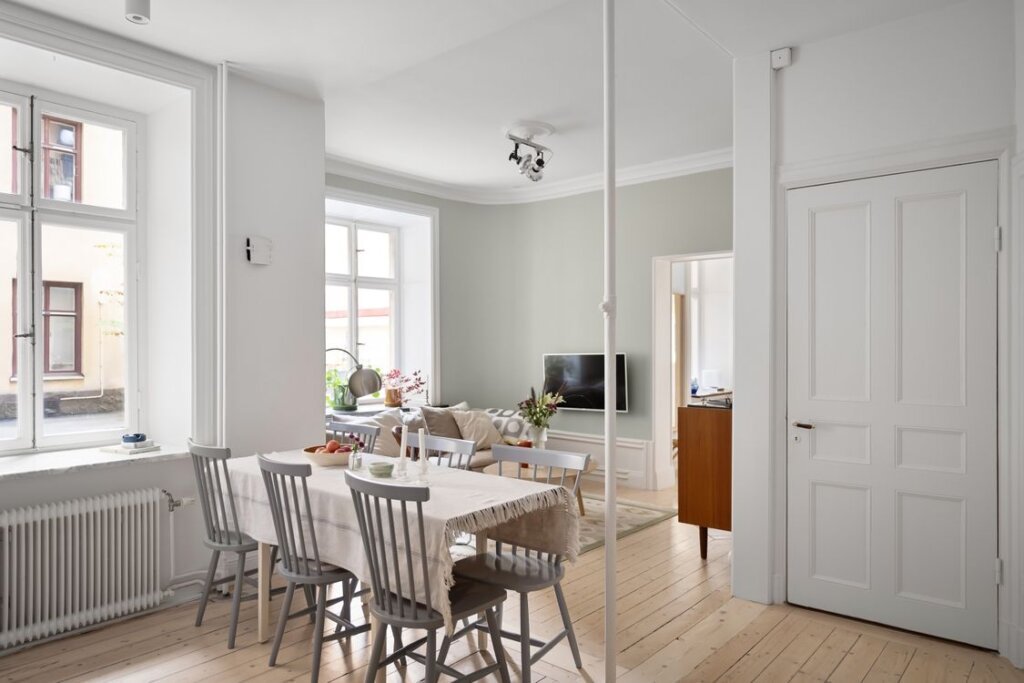
Scandinavian style is pale wood, white walls, soft textiles and lots of daylight. Furniture is light and simple, with linen cushions and one plant per room. The palette is white, pale grey and one soft accent such as sage green or dusty blue. Scandinavian suits dark rooms because it is built to make the most of limited light.
Minimalist
Minimalist style is fewer objects, more empty space, and one colour per room. Walls are white, furniture is low and flat-fronted, and every surface holds at most three objects. The palette is white, warm grey and natural wood, with almost no pattern. Minimalist suits people who feel overwhelmed by clutter, but it needs good storage, or clutter returns fast.
Coastal
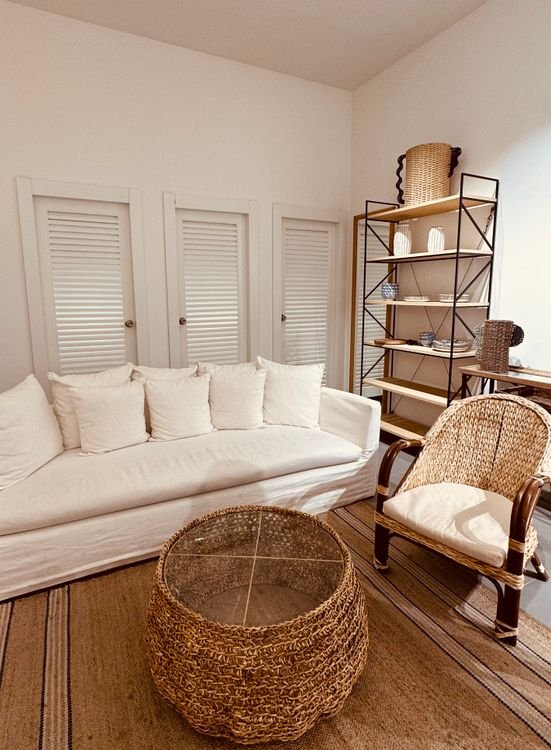
Coastal style is white walls, light wood, sea-blue accents and natural textures such as rattan, linen and jute. Furniture is low and relaxed, with a large rug and sheer curtains that move the light around the room. The palette is white, sand and sea blue. Coastal suits bright rooms with big windows.
Farmhouse
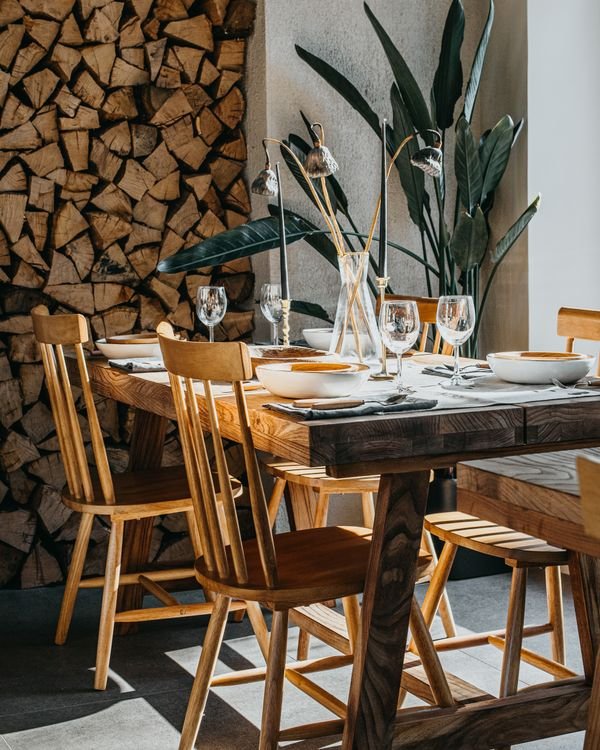
Farmhouse style is warm wood, shiplap or textured walls, a large dining table and comfortable furniture. The palette is warm white, natural wood and one deep accent such as forest green or terracotta. Farmhouse suits family homes because it is built for use: big tables, deep sofas, and surfaces that forgive a scratch. For the same warm style applied to a whole house, see our free house design generator with AI in Homestyler guide.
Japandi
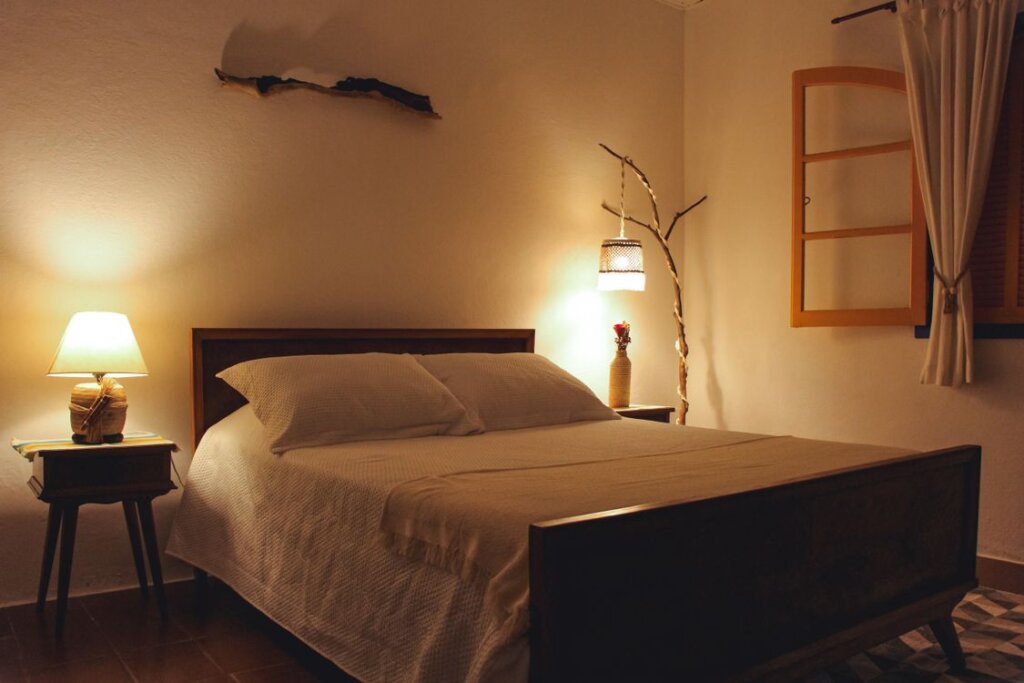
Japandi style blends Japanese calm with Scandinavian warmth: low furniture, pale wood, paper textures and almost no decoration. The palette is warm white, light oak and soft black, with one natural accent such as bamboo green. Japandi suits small homes and calm bedrooms because it makes a room feel larger by keeping everything low and empty.
Boho
Boho style is layered textiles, warm colours, plants and collected objects from many places. The palette is terracotta, mustard, deep green and warm white, with patterned rugs and woven baskets. Furniture is low and mixed, no matching sets. Boho suits creative homes and rented rooms because it needs no new furniture, only textiles and plants.
Industrial
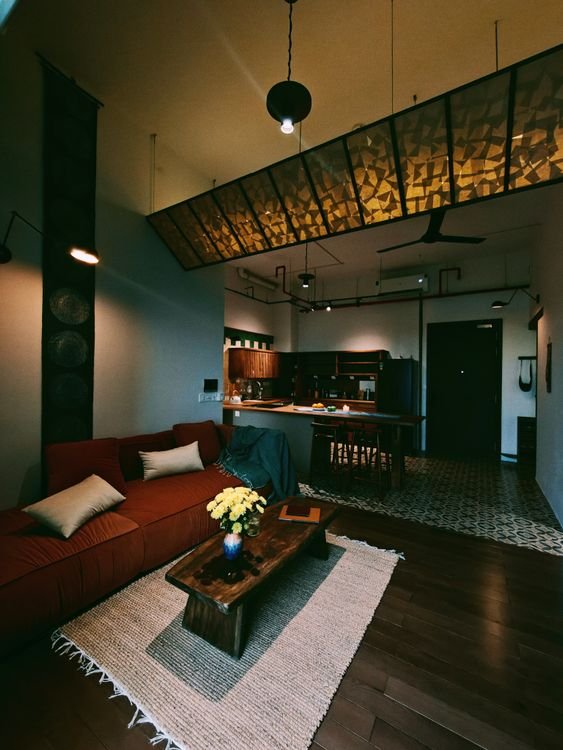
Industrial style is exposed brick or concrete, black metal, dark wood and Edison-style lighting. The palette is charcoal, dark wood and warm metal, with leather and raw textures. Furniture is large and solid, with open shelving and visible structure. Industrial suits large rooms with high ceilings. Test it at dusk, because a dark palette can feel heavy at night.
How to Compare Styles and Choose the Right One
Comparing eight styles is easy once you know what to look for. First, check the light: render every style at dusk, not just at midday, because a palette that looks fresh at noon can look cold at night. Second, check the furniture: does the style’s sofa fit at true size, and can you still walk to the window? Third, check the feeling: which version would you still like in two years, not just this week? Fourth, check the budget: minimalist and modern are cheap to build, farmhouse and industrial cost more in furniture.
Keep your two favourites and generate each again with a different accent colour. The winner is the version you return to twice. Then apply that style to the whole house with one palette, so every room feels connected. For the same compare-and-choose method applied to an existing home, see our house redesign with AI in Homestyler guide.
Common Mistakes to Avoid
The most common mistake is choosing a style from a photo instead of from your own room. A style that looks perfect in a showroom can fail in a dark, small room, so always generate it from your own photo first. The second mistake is mixing three styles in one room: one style per room, one palette across the house. The third is judging a style only in daylight: always render at dusk. The fourth is buying before drawing the plan. A sofa that looked right in the render blocks the walkway. The fifth is too much decor: one lamp, one book, one plant per surface, whatever the style.
Budget Tiers
Budget (under about $150 per room): A flat-weave rug in your style’s palette, warm 2700K bulbs, a sheer curtain and one plant. This tier changes the feeling of a room without touching the furniture, and it works for every style.
Mid-range (about $150–$600 per room): Add a floor lamp, a mirror, a low bench or console, and paint in warm white or your style’s accent colour. This is the sweet spot: real furniture and a finished palette.
Full change ($600–$1,500+ per room): A low sofa or bed frame in the right wood tone, a large rug, a flat-front wardrobe, and matching textiles in your chosen style. Test the design in Homestyler first. For the same three-tier thinking applied to planning a whole home, see our free home design planner with AI in Homestyler guide.
Homestyler vs Planner 5D vs Coohom for Multi-Style Design
| Feature | Homestyler | Planner 5D | Coohom |
|---|---|---|---|
| Best for multiple styles | Fast free photo restyles in many styles | Accurate floor plans | Photorealistic renders |
| Starting point | Upload a room photo | Draw the plan to scale | Draw a plan or import one |
| AI tools | AI Styler, Spark, AI Planner | AI Studio, Smart Wizard | AI design and rendering tools |
| Rendering | Good, fast renders | Good, 4K on paid plans | Very photorealistic |
| Ease of use | Very easy to start | Easy once drawn | Easy, with more pro options |
| Free plan | AI restyles and 3D design | Core design tools | Core tools |
| Try it | Homestyler | Planner 5D | Coohom |
Homestyler wins when the question is style: upload one photo, generate eight versions in minutes, and compare them. Planner 5D suits homes where every centimetre matters. Coohom suits photorealistic renders for a contractor.
Frequently Asked Questions
Can I generate my home in multiple styles for free?
Yes, Homestyler has a free plan that covers AI restyles, 3D design and standard renders. You can upload photos of every room, generate each one in many styles, rebuild the best version in 3D, test palettes and lighting, and share the results without paying. Start free, generate all eight styles for one room, and upgrade only if you restyle often or need more renders for a client.
How many styles can I try on one room?
You can try as many styles as you like. Modern, Scandinavian, minimalist, coastal, farmhouse, Japandi, boho and industrial are the eight most useful, and Homestyler can generate more. The trick is to keep the same photo and the same prompt for every style, changing only the style word, so the differences you see are the styles themselves and not the photography.
Which style is best for a small home?
Scandinavian and minimalist work best in small homes because they keep furniture low, floors mostly empty and palettes pale, which makes a room feel larger. Japandi also works well for the same reasons. Avoid industrial and farmhouse in very small rooms, because dark palettes and large furniture make a small space feel smaller. Always test the style in 3D at true size before you commit.
How do I choose between two styles I both like?
Render both styles in 3D at dusk and live with the renders for a day. The style you keep returning to is the right one. Also check the budget: one style may need a new sofa while the other only needs paint and textiles. Finally, check the whole house, the style that works in the living room, the bedroom and the hallway is the style to choose.
Do I need measurements to compare styles with AI?
You need measurements for the 3D rebuild, but not for the first style test. A photo alone is enough to generate eight versions of your room, free. Measurements matter when you rebuild the winning style at true size, because a sofa ten centimetres too long blocks a walkway and a table too wide leaves no room to pull the chairs out. Measure each room once and keep the numbers in one place.
Can AI help me mix two styles in one home?
Yes, and most homes work best with one main style and one accent style. Keep the main style in the living room and bedroom, and use the accent style in one room, a boho balcony with a modern living room, or a Japandi bedroom with a Scandinavian living room. Keep one palette across the whole house so the two styles feel connected, not accidental.
Conclusion
home design generator with multiple styles and AI in Homestyler turns the hardest question in home design. Which style suits my home, into the easiest one: upload one photo, generate eight versions in minutes, compare them in 3D at dusk, and keep the one you return to twice. Keep one palette, warm lighting, clear walkways, and one style per room.
Start with the room that bothers you most, and generate it in every style tonight, free. One room finished in the right style teaches you everything you need for the next one.
Try Homestyler free. Upload a photo and see your room in eight styles in minutes, free.

My name is Mahi Uddin, and I’m a blog writer with over two years of experience specializing in creating engaging, informative content using AI tools. I contribute to InExDecor.com, where I share creative ideas and practical tips for transforming interior and exterior spaces into beautiful, functional environments. With a passion for storytelling and a knack for blending creativity with technology, I strive to craft blogs that not only inform but also inspire readers. When I’m not writing, you can find me exploring design trends or enjoying a good book with a cup of coffee.