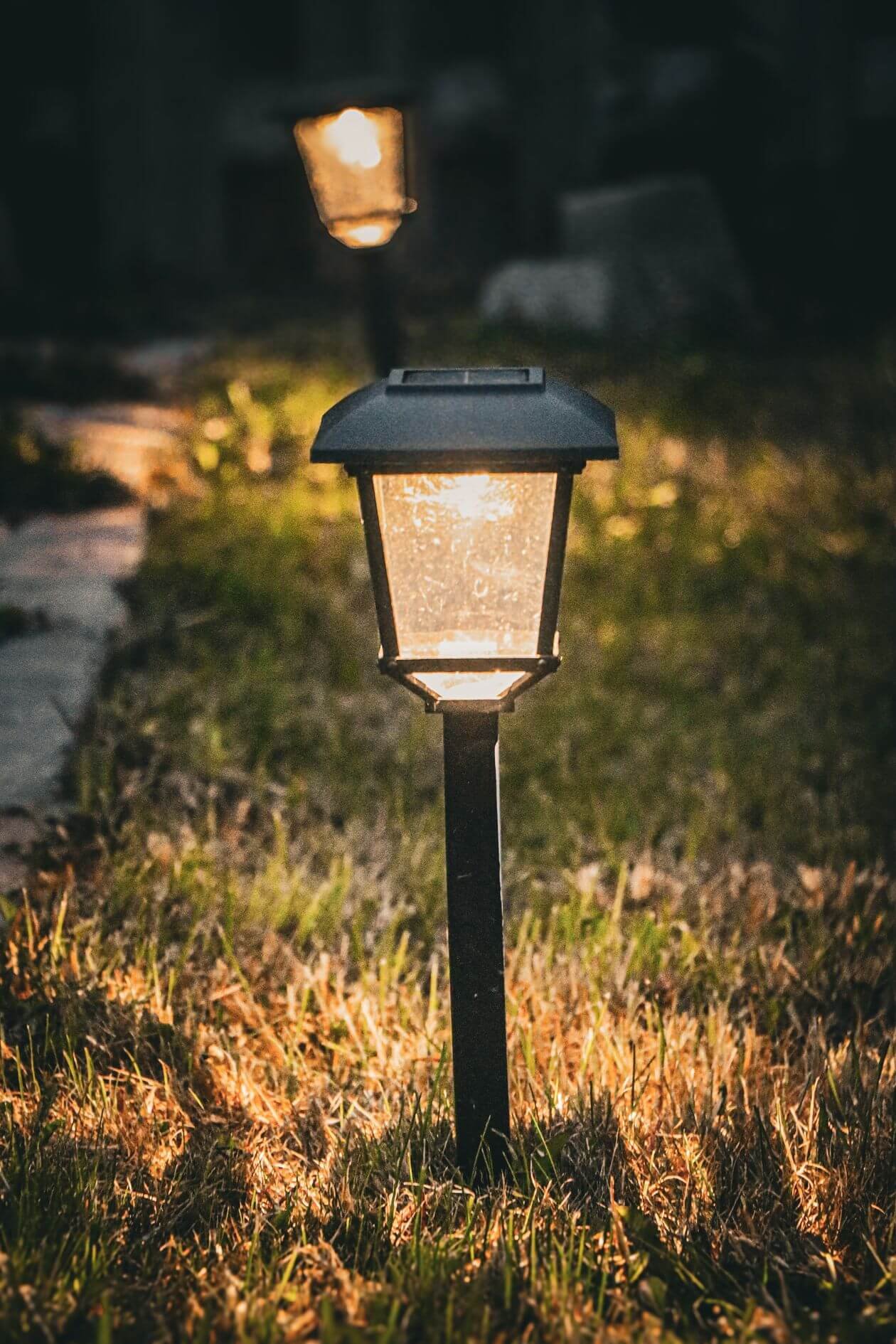
Best Solar Pathway Lights: Bright, Weatherproof Picks That Actually Last

Hey There! Some links on InexDecor.com are affiliate links. If you make a purchase through them, we may earn a small commission at no extra cost to you. We only recommend trusted products to support our content. Thank you for your support!
The best solar pathway lights do more than decorate a garden after dark. They mark the edge of a path so nobody trips, make a front walk feel welcoming, and do it without wiring, without an electrician, and without adding anything to the electricity bill. That is why they are an easy outdoor upgrade — and why so many disappoint. A set that looks lovely in the product photo can fade by midnight, fill with water after heavy rain, or snap at the stake when the ground freezes.
This guide judges lights by what matters after dark and after a season outside: brightness in lumens, run time, battery capacity, panel size, weatherproofing, and build quality. Below are five named picks, a comparison table, a buying guide, and advice on spacing, installation, mistakes, and winter care.
Solar pathway lights are not floodlights. They are low, warm pools of light that guide the eye and the foot along a route. The best stay bright for eight to ten hours and survive rain and frost for seasons; the worst fade within an hour and die by spring. The difference is rarely price alone — it is the panel, the battery, the seal, and the LED.

Key Takeaways
- The best solar pathway lights balance brightness, run time, and weatherproofing — a light bright for one hour and dead by midnight is not a bargain.
- Look for 10–15 lumens per light for a front path, 20+ where you need real visibility, and IP44 minimum, IP65 where rain is heavy.
- A larger panel and battery matter more than a pretty housing: they decide run time and how well the light copes with cloudy days.
- Space lights 1.5–2.5 metres apart on a straight path, closer on curves and steps, staggering them on alternate sides.
- Give the panel at least six hours of direct sun a day, keep it clean, and bring lights indoors before a hard winter freeze.
- Budget packs suit decoration; spend more per light on paths people actually walk at night.
Table of Contents
- Best Solar Pathway Lights: What Actually Makes One Worth Buying
- The 5 Best Solar Pathway Lights
- Comparison Table: The Five Picks at a Glance
- Buying Guide: Lumens, Battery, Solar Panel, and Weatherproof Ratings Explained
- How Many Lights Do You Need? Spacing and Placement
- Installation in 15 Minutes: No Wiring, No Tools You Do Not Own
- 7 Mistakes That Kill Solar Pathway Lights Early
- Care, Maintenance, and Winter Storage
- Budget Tiers: What to Expect at Every Price
- Frequently Asked Questions
- Conclusion: Choose Lights That Last, Not Lights That Just Look Good
Best Solar Pathway Lights: What Actually Makes One Worth Buying
Four components do almost all of the work, and every buying decision comes back to them.
The LED: brightness you can measure
The LED is the light source, and its brightness is measured in lumens — one lumen number tells you far more than “super bright” on a box. For a decorative border, 5–10 lumens per light is enough. For a path people walk on, aim for 10–15 lumens; for a driveway edge or a step, look for 20 or more. Warm white (2700–3000K) feels welcoming; cool white (5000–6500K) looks sharper but can feel harsh beside planting.
The solar panel: how the light charges
The solar panel converts daylight into stored energy. Bigger panels charge faster and cope better with cloudy weather and short winter days, and monocrystalline panels are generally more efficient than polycrystalline ones of the same size. The panel also needs a clear view of the sky — a panel shaded by a fence or hedge will charge poorly no matter how good it is. Be suspicious of any listing that does not mention panel size at all.
The battery: how long the light stays on
The battery stores the day’s charge and powers the LED at night. Most lights use a rechargeable AA or AAA Ni-MH battery; better models use a larger-capacity cell or a lithium battery. Capacity is measured in milliamp-hours (mAh): a higher number generally means a longer run time. A good light runs eight to ten hours on a full summer charge, and at least five to six hours in winter. After one to two years, a fading light often needs only a fresh battery of the same size and type.
The housing and the seal: surviving rain, frost, and feet
The housing protects everything else. Stainless steel and heavy-duty ABS plastic both work well if thick enough; thin, brittle plastic cracks in frost and fades in sun. The weatherproof rating tells you how well it is sealed: IP44 protects against splashing water and is the minimum for a garden light, while IP65 protects against water jets and dust and suits exposed gardens. Also check the stake — a long, sturdy one holds the light upright, while a short, thin stake bends, leaving its panel facing away from the sun.

The 5 Best Solar Pathway Lights
Pick 1: Beau Jardin Solar Pathway Lights — Best Overall
Beau Jardin’s pathway set is the one we’d hand a neighbour. Metal bodies with real glass shades instead of all-plastic housings, a warm light pattern that projects a defined diamond of light on the ground rather than a weak halo, and replaceable batteries — which is what turns a one-season purchase into a several-year one. Expect 15–25 lumens per light and an IP65 seal on the better sets. The honest limitation: it costs more per light than bulk plastic sets, so long paths add up, and the warm tone is decorative-warm rather than the brightest white.
Pick 2: DenicMic Solar Pathway Lights — Best Budget Set for Long Paths
When the path is forty feet long, cost per light rules. DenicMic’s 10-pack brings the per-light price down to impulse-buy territory while keeping the essentials: auto on/off, weather sealing for rain, and a warm white glow. Expect 5–10 lumens per light and an IP44 rating — enough for marking, not for lighting a dark driveway on its own. The honest limitation: individual lights are modest in brightness and the stakes are basic plastic — push them into soft soil by the housing, never by forcing the head. Check the specific model’s battery access before assuming its cells are replaceable.
Pick 3: GIGALUMI Solar Pathway Lights — Brightest on a Budget
GIGALUMI sells in volume for a reason: its pathway sets put out noticeably stronger light than most budget rivals, with larger panels that charge faster. For a path that needs real visibility — steps, uneven stones, a dark side yard — this is the budget set that still does the job. Expect 15–25 lumens per light. The honest limitation: plastic construction — expect the housings to weather sooner than metal-and-glass sets, and check the specific model’s battery access before assuming it is replaceable.
Pick 4: TomCare Solar Torch Lights — Best Decorative
TomCare’s torch lights trade raw path brightness for atmosphere: a flickering flame effect that reads as real firelight from a few steps away. As pure markers they are softer than the sets above, but along a patio edge or garden border they look better than any of them. The honest limitation: decorative first, functional second — do not rely on them alone for steps or trip hazards. Battery access varies by model, so check before you buy.

Pick 5: URPOWER Solar Spot Lights — Best for Shaded Paths
Every other set on this list has the same weakness: the panel sits on top of the light, so a path under trees starves. URPOWER’s spot lights separate the job — an adjustable spotlight head with a panel you can angle toward whatever sun the spot gets, and the wired versions let the panel sit in sun while the light sits in shade. Angling the panel to true south and clearing the worst leaf cover rescues most “solar doesn’t work here” paths. The honest limitation: they are spotlights, not classic path markers, and the built-in battery is not user-replaceable on most versions.
Comparison Table: The Five Picks at a Glance
| Pick | Best for | Battery | Standout feature |
|---|---|---|---|
| Beau Jardin Solar Pathway Lights | Most paths | Replaceable | Metal-and-glass build, warm even glow |
| DenicMic Solar Pathway Lights | Large paths, tight budgets | Replaceable (verify per model) | Big multi-packs keep cost per light low |
| GIGALUMI Solar Pathway Lights | Brightness on a budget | Replaceable (verify per model) | Strong light output for the price |
| TomCare Solar Torch Lights | Decoration + path marking | Sealed/replaceable varies | Realistic flickering flame effect |
| URPOWER Solar Spot Lights | Shaded paths | Sealed (built-in) | Separate adjustable panel can chase the sun |
Buying Guide: Lumens, Battery, Solar Panel, and Weatherproof Ratings Explained
Start with lumens, the specification most listings exaggerate. A 10-lumen light is a marker; 20 lumens is a guide you can genuinely walk by. Check lumens per light, not the pack total: a “120-lumen pack” of twelve lights is only 10 lumens each. Next, check the battery — a 600 mAh AA cell is standard in budget lights, while 800–1200 mAh or a lithium cell lasts longer. Then the panel: a larger surface area charges faster, and monocrystalline panels perform better in low light. Finally, read the IP rating: IP44 is the floor, IP65 is safer, and a light with no IP rating should be treated as indoor decoration.
How Many Lights Do You Need? Spacing and Placement
Measure your path, then divide by the spacing. On a straight path, space lights 1.5–2.5 metres apart; on curves, steps, and slopes, use 1–1.5 metres so no dark gap hides a change in level. Stagger lights on alternate sides rather than lining them up in pairs — staggered lights cover the path more evenly and use fewer units. A 10-metre front path typically needs five to seven lights; a 20-metre driveway needs ten to fourteen. The same warm-white approach keeps a balcony or terrace feeling connected; see how lighting fits a wider outdoor design in modern balcony design with AI in Homestyler.
Installation in 15 Minutes: No Wiring, No Tools You Do Not Own
Push the stake into soft soil by hand, or pre-make a hole with a screwdriver in hard ground so it does not snap. Keep each panel facing south in the northern hemisphere, tilted slightly toward the sun and clear of overhanging plants. Switch each light on before you place it — many hide a small on/off switch under the cap — and leave them to charge for a full sunny day before judging brightness. Check them at dusk from the house: that is the view that matters, as a well-lit path leading to a calm interior shows in modern living room design with AI in Planner 5D.

7 Mistakes That Kill Solar Pathway Lights Early
The most common mistakes are easy to avoid: placing panels in shade, which can halve charging; buying on looks alone and ignoring lumens and IP ratings; spacing lights too far apart, leaving dark gaps; pushing stakes into frozen or stony ground, which cracks them; never cleaning the panels, so dirt slowly starves the battery; leaving dead batteries in place, which can leak and corrode the contacts; and mixing old and new batteries, which gives uneven brightness.
Care, Maintenance, and Winter Storage
Wipe each panel with a damp cloth every month or two, more often in dusty gardens. Check stakes after storms and straighten leaning lights. Replace rechargeable batteries every one to two years, matching the original size and type, and clean the contacts. A pack of quality AA Ni-MH rechargeable batteries — the standard replacement cell for most pathway sets — brings dim lights back to full brightness for a fraction of a new set’s cost. Our guide to the best batteries for solar lights explains the ratings that matter, and how long solar lights last gives the honest year-by-year picture. For paths where solar cannot cope, our guide to installing low-voltage outdoor lighting and the companion low-voltage planning guide cover the wired alternative, and the Lighting hub collects every lighting guide. Before a hard winter, bring lights indoors or remove the batteries and store them dry — frozen, waterlogged batteries cause most spring failures.
Budget Tiers: What to Expect at Every Price
At the budget end, expect eight to twelve plastic lights, 5–10 lumens each, IP44, and a one-season lifespan if you are lucky — fine for decoration, not for a path you walk nightly. Mid-range buys stainless-steel or heavy plastic lights, 10–20 lumens, IP65 on the better sets, and two to three years with a battery change. Premium buys 20+ lumens, large monocrystalline panels, high-capacity batteries, and IP65 or higher. Spend the most beside steps, the front door, and the driveway, and save budget packs for flower beds — matching the style to the rooms they lead into, from the bedroom design with AI in Coohom to the modern home office design with AI in Coohom.

Frequently Asked Questions
How bright should the best solar pathway lights be?
For a decorative border, 5–10 lumens per light is enough. For a path you walk on at night, aim for 10–15 lumens, and for a driveway, steps, or a path with no other lighting, choose 20 lumens or more per light. Always check lumens per light, not the pack total, because a large pack total can hide very dim individual lights.
How long do solar pathway lights stay on at night?
A good set runs for eight to ten hours on a full summer charge, and five to six hours in winter when days are shorter and cloudier. Run time depends on panel size, battery capacity, and how much direct sun the panel received that day. If lights fade after two hours, the panel is probably shaded, dirty, or too small for the battery.
Do solar pathway lights work in winter?
Yes, but they charge more slowly and run for fewer hours because winter days are short and the sun is low. Keep panels clean and free of snow, place them in the sunniest spot available, and expect five to six hours rather than ten. In very cold climates, bring lights indoors during the hardest freezes to protect batteries and housings.
What does IP44 or IP65 mean for pathway lights?
The IP rating measures protection against dust and water. IP44 means the light is protected against splashing water from any direction, the minimum for garden use. IP65 means it is protected against water jets and dust, a better choice for exposed gardens and heavy rain. A light with no IP rating at all should never be left outside in wet weather.
Can I leave solar pathway lights outside all year?
In mild climates, yes, provided the lights are rated at least IP44 and the batteries are in good condition throughout the year. Where frosts are hard or snow is heavy, it is safer to bring them indoors or remove the batteries for winter. Water trapped inside a frozen housing can crack seals and damage electronics, so dry storage is safer.
Why are my solar pathway lights dim after a few months?
The most common causes are a dirty solar panel, a shaded panel, or a worn-out rechargeable battery. Clean the panel, move the light into direct sun, and try a fresh battery of the same size and type. If it is still dim, the LED or seal may have failed, and water inside the housing usually means the light needs replacing rather than repairing.
Conclusion: Choose Lights That Last, Not Lights That Just Look Good
The best solar pathway lights are the ones still glowing at midnight, still standing after a storm, and still working next summer. That comes down to four things: enough lumens, a panel and battery big enough to last the night, a seal that keeps rain out, and a stake strong enough to hold it upright. Match a light to your garden, space them so no step is left in the dark, and give the panels sun and an occasional wipe — and coming home will feel safer and warmer every night.
Next step: measure your path, count the lights you need at 1.5–2.5 metre spacing, and choose the pick that fits your garden.

My name is Mahi Uddin, and I’m a blog writer with over two years of experience specializing in creating engaging, informative content using AI tools. I contribute to InExDecor.com, where I share creative ideas and practical tips for transforming interior and exterior spaces into beautiful, functional environments. With a passion for storytelling and a knack for blending creativity with technology, I strive to craft blogs that not only inform but also inspire readers. When I’m not writing, you can find me exploring design trends or enjoying a good book with a cup of coffee.