Low Maintenance Landscaping Ideas for a Front Yard That Always Looks Tidy

Hey There! Some links on InexDecor.com are affiliate links. If you make a purchase through them, we may earn a small commission at no extra cost to you. We only recommend trusted products to support our content. Thank you for your support!
The secret to a front yard that always looks tidy is not more effort. It is fewer living things that need you. Every low maintenance front yard follows the same formula: less lawn to mow, plants that thrive on neglect, deep mulch so weeds never get started, and hard surfaces where feet and eyes actually go. None of the ideas below require a landscaper, and most are one-weekend projects. Work through the first four and your Saturday yard routine shrinks to a quick walk-around with a coffee. The rest are upgrades you can add one season at a time.
Table of Contents
- 1. Shrink the Lawn to a Simple Shape
- 2. Build Beds You Can Actually Reach
- 3. Plant Perennials Instead of Annuals
- 4. Choose Slow-Growing Evergreen Shrubs for Structure
- 5. Mulch Deeply, Then Mulch on Schedule
- 6. Trade Tricky Areas for Stone and Gravel
- 7. Put Watering on a Timer With Drip Lines
- 8. Pick Native and Drought-Tolerant Plants
- 9. Edge Once, Cleanly, and It Stays Done
- 10. Cover Bare Ground With Ground Covers
- 11. Add One Small Tree and Let It Do the Showing Off
- 12. Finish With Solar Lights You Never Think About
- Which Idea Should You Start With?
- Frequently Asked Questions
1. Shrink the Lawn to a Simple Shape
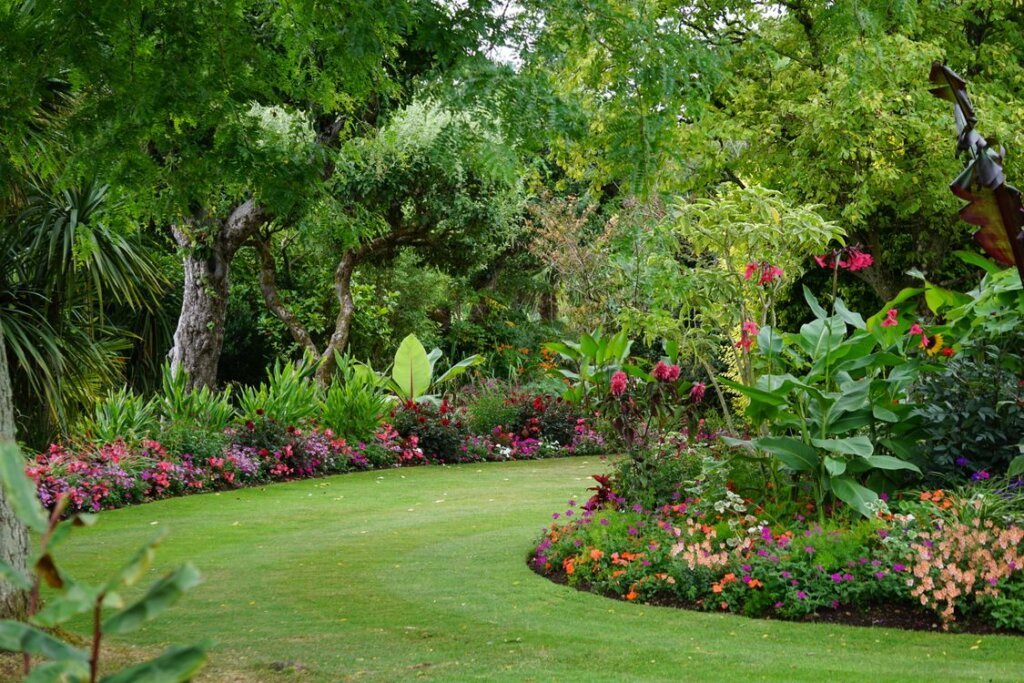
Grass is the neediest surface in your yard. It wants mowing, edging, feeding, and watering on a schedule. The single biggest maintenance cut is converting awkward lawn corners, narrow strips, and the shady patch under the tree into planting beds. Keep the remaining lawn in one smooth shape with gentle curves and no tight corners, so a mower can circle it in minutes. A smaller, neater lawn looks more deliberate than a large scruffy one, and it sets up every other idea on this list. Start with the areas you already hate mowing and the conversion pays for itself in saved weekends.
2. Build Beds You Can Actually Reach
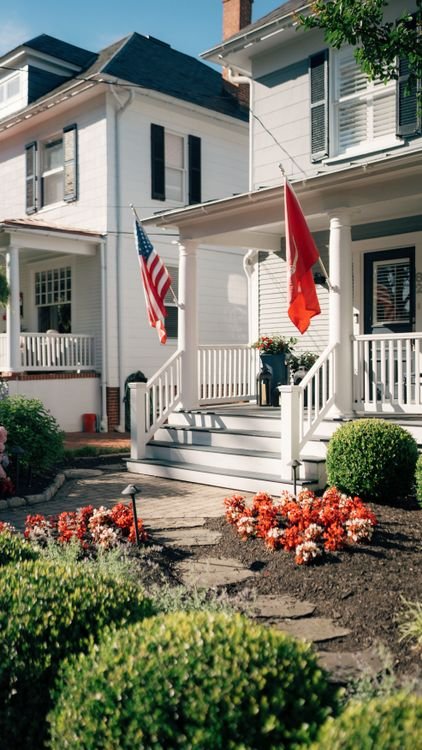
Wide, deep beds look lush in magazines and turn into weed jungles in real life because nobody can reach the back. Keep front yard beds between three and five feet deep so every plant is reachable from the lawn or the path without stepping into the soil. Our step-by-step guide on how to design a garden bed covers layout and spacing in detail. Stepping stones set into a deep bed solve the reach problem where you cannot narrow it. Good bed geometry is invisible when it works, which is exactly the point: maintenance you never have to do.
3. Plant Perennials Instead of Annuals
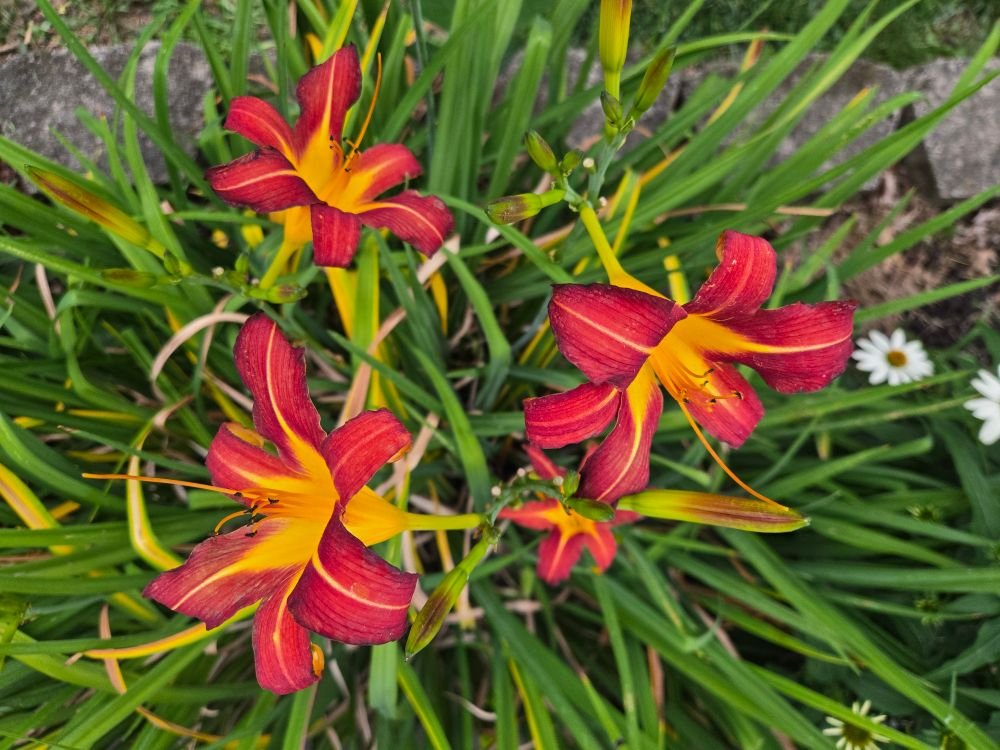
Annual flowers are a subscription you pay for in money and Saturdays. Perennials come back year after year, spread to fill their space, and ask for little more than a cutback once a season. Hostas, daylilies, sedum, Russian sage, and ornamental grasses are the workhorses of the low maintenance front yard. Plant them in groups of three or five for a designed look, and space them for their mature size so they crowd out weeds on their own. The first year takes patience while they establish. From the second year on, the bed mostly runs itself, and your spring planting run shrinks to almost nothing.
4. Choose Slow-Growing Evergreen Shrubs for Structure
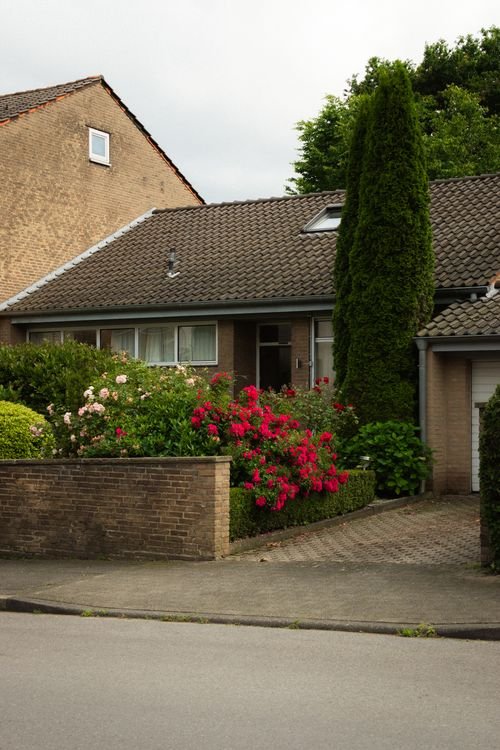
The backbone of a tidy front yard is a handful of evergreen shrubs that hold their shape and color all year. Boxwood alternatives like inkberry holly, dwarf yaupon, and Japanese holly grow slowly, need one light trim a year at most, and never leave the house looking bare in winter. Plant the foundation row once and it will outlast every flower trend. Avoid fast growers that demand shearing three times a season, and skip anything that will outgrow its spot in five years. Slow plants in the right place are the closest thing landscaping has to a permanent decision you never revisit.
5. Mulch Deeply, Then Mulch on Schedule
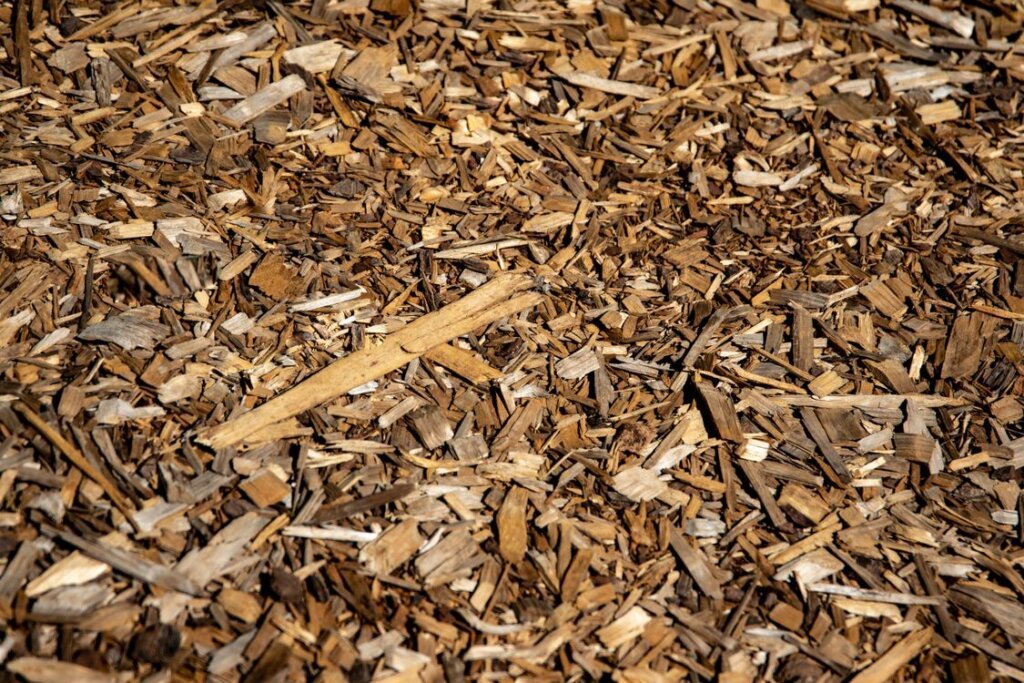
Mulch is the hardest-working material in a low maintenance yard. Three to four inches of shredded bark or wood chips smothers weed seeds, holds soil moisture through dry weeks, and gives beds a finished look even when nothing is blooming. Top it up once a year, usually in spring, rather than replacing it. Keep mulch a few inches away from trunks and siding to prevent rot. Skimping to a thin decorative layer is the classic mistake: weeds push through, the soil dries out, and you end up weeding the bed you mulched to avoid weeding. Depth is the whole trick.
6. Trade Tricky Areas for Stone and Gravel
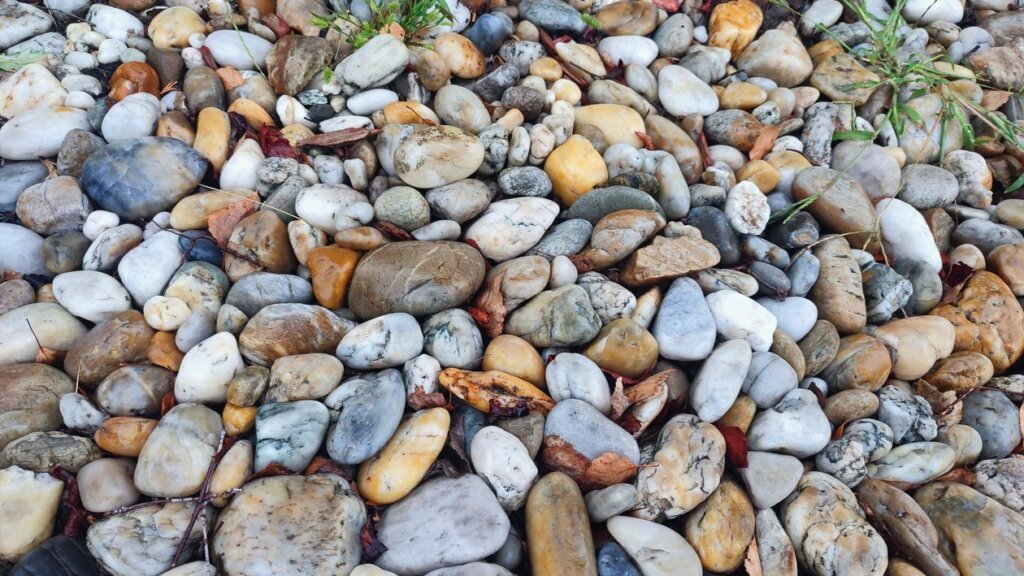
Some spots defeat every plant: the strip beside the driveway, the dry shade under eaves, the slope that washes out in storms. Stop fighting them. A gravel bed with a few large river rocks, a dry creek bed that doubles as drainage, or a flagstone pad under the mailbox looks intentional and needs nothing but an occasional rake and a leaf blower pass. Landscape fabric under gravel in these dead zones blocks the weeds that would otherwise colonize the stone. Hard surfaces also break up the green, which makes the planted areas you do keep look richer by contrast.
7. Put Watering on a Timer With Drip Lines
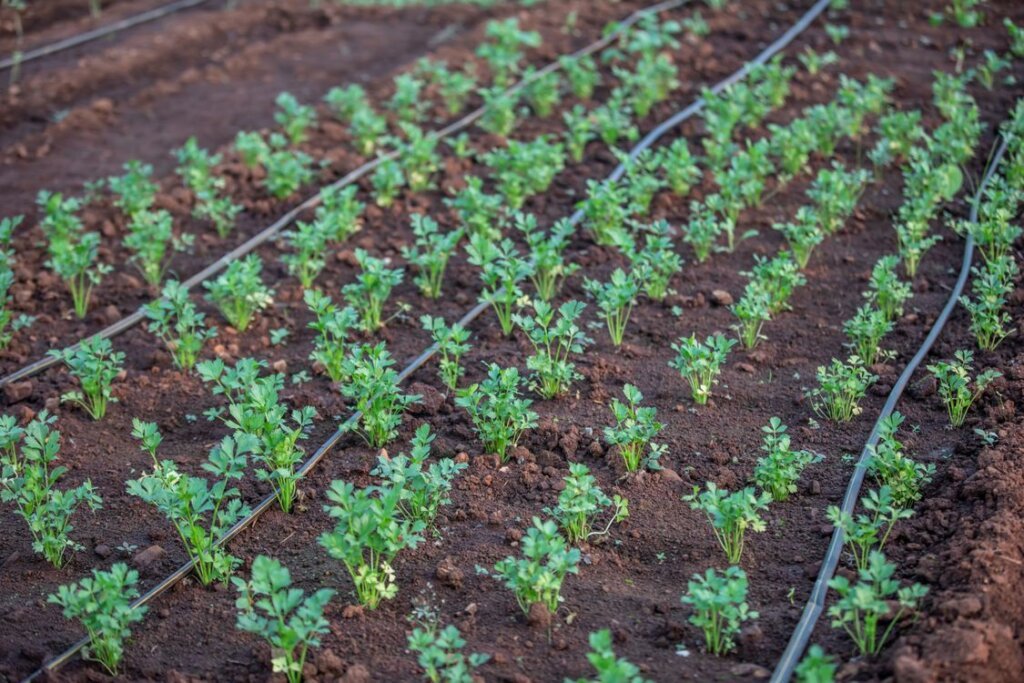
Dragging hoses is where good intentions go to die. A drip irrigation kit or a set of soaker hoses on a battery timer waters beds slowly at the roots, where plants actually drink, and uses far less water than sprinklers. Run lines under the mulch and they disappear completely. Most homeowners can fit a simple two-zone setup in a weekend for less than a season of replacement plants costs. Once watering is automatic, the yard survives your vacations, your busy months, and your forgetful weeks. It is the one upgrade that makes every other low maintenance choice actually hold up over time.
8. Pick Native and Drought-Tolerant Plants
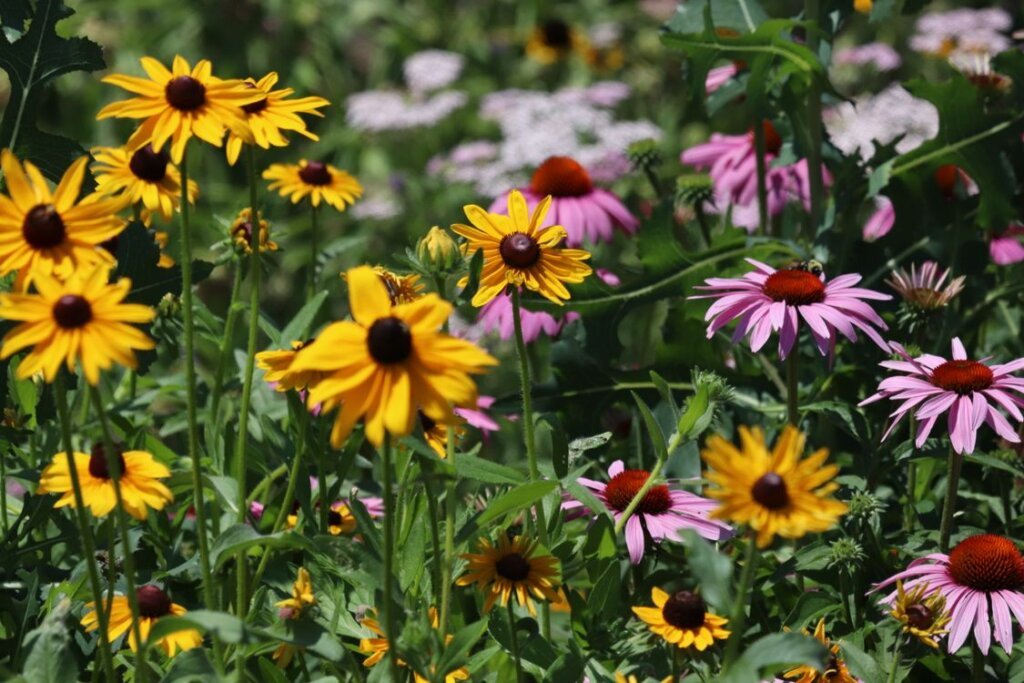
Plants that evolved in your region already know your rainfall, your soil, and your winters. Native perennials and drought-tolerant picks like coneflower, black-eyed Susan, lavender, and yucca need no coddling once established and rarely need fertilizer or pest control. Check your USDA hardiness zone before buying, and match plants to the sun the spot actually gets rather than the sun you wish it got. A plant in the right place is low maintenance by definition. A thirsty plant in dry shade will ask for help every single week, no matter how the bed around it is designed.
9. Edge Once, Cleanly, and It Stays Done
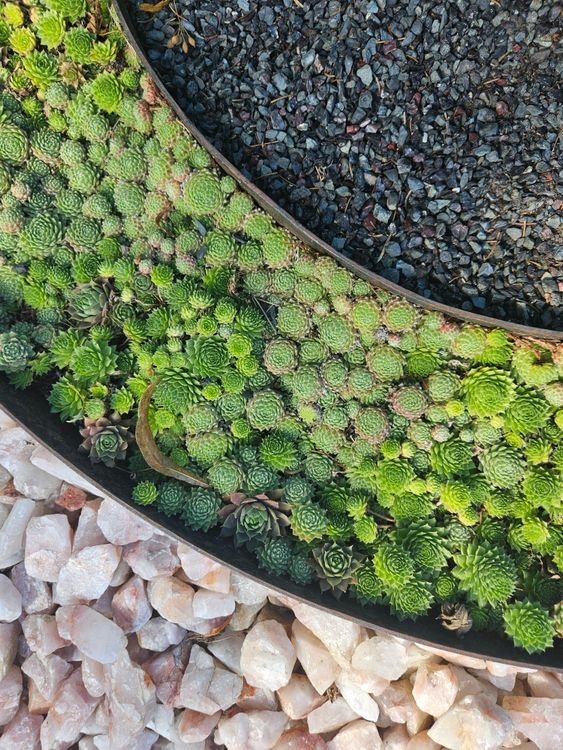
Crisp edges are what separate a tidy yard from a tired one, and they take less time than any other task on this list. Steel or aluminum edging installed once keeps mulch in and grass out for years, with none of the shifting and cracking of plastic. Where beds meet the lawn, a clean trench edge cut twice a season does the same job for free. The visual payoff is outsized: neighbors will assume you hired help. If you add one focal feature, a small stone-edged bed around a low cost fire pit landscape design shows how edging and stone can carry a whole corner with almost no planting at all.
10. Cover Bare Ground With Ground Covers
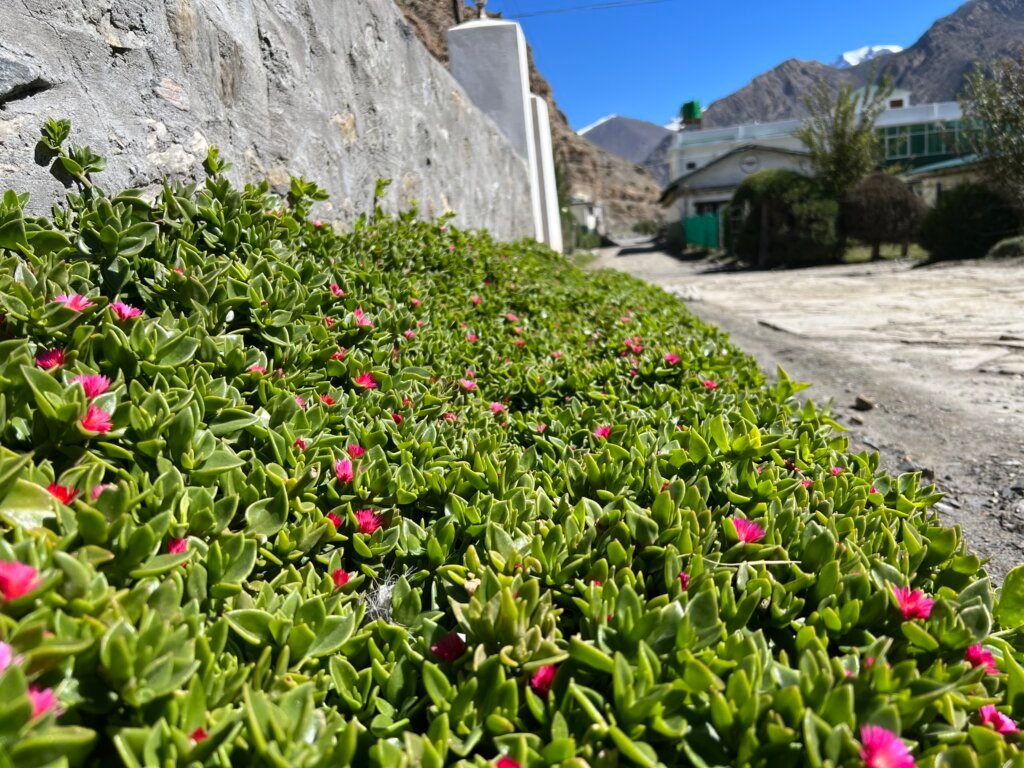
Bare soil is an open invitation to weeds. Living ground covers close the door. Creeping thyme, sedum, pachysandra, and liriope spread into a dense mat that shades the soil, holds moisture, and needs no mowing. Use them under shrubs, along paths, and on slopes where mulch slides away. They take a season or two to fill in, and planting them a little closer than the tag suggests speeds things up. After that, the bed edges itself. Ground covers are also the friendliest option around stepping stones and path borders, where they soften hard lines without spilling the way loose mulch does.
11. Add One Small Tree and Let It Do the Showing Off
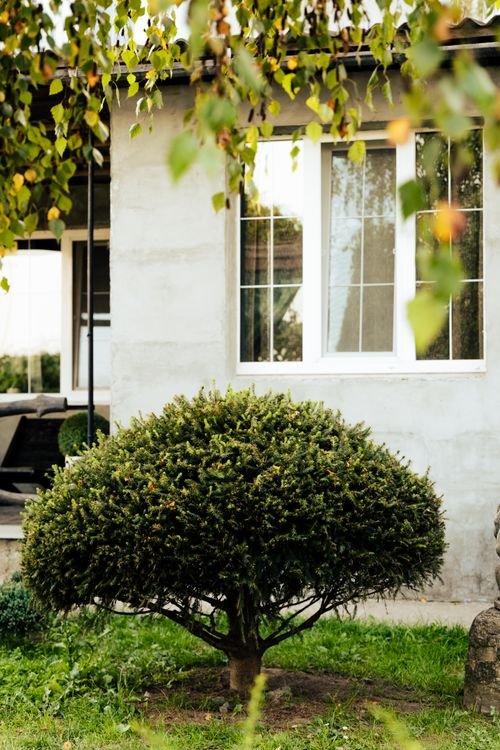
A single well-chosen small tree gives a front yard its structure, shade, and street presence for decades with almost no input. Crabapple, serviceberry, Japanese maple, and eastern redbud stay modest in size, flower in spring, and ask only for occasional pruning. Choose the spot with its mature spread in mind, keep it clear of the roofline and the driveway, and mulch a wide ring at its base instead of letting grass compete at the trunk. The modern ranch and mountain house front yard ideas show how one tree can anchor an entire facade. Plant it once, water it through its first year, and then mostly leave it alone.
12. Finish With Solar Lights You Never Think About
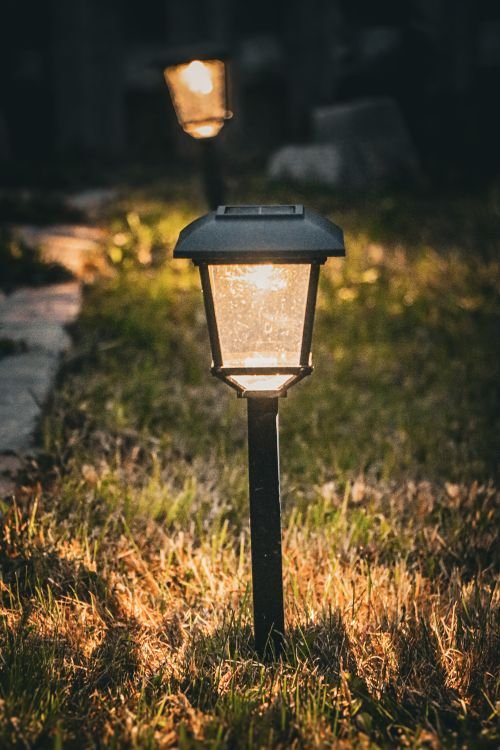
Lighting is the polish that makes a simple yard look finished after dark, and solar path lights have become genuinely set-and-forget: no wiring, no transformer, no electric bill. Stake them along the walk and the driveway edge, and the yard reads cared-for every evening. For a brighter, more designed effect, a wired low-voltage system is still a manageable DIY weekend, and our guide to how to install outdoor low voltage landscape lighting walks through it step by step. Either way, lights on the path and one uplight on your tree will make the simplest planting plan look like a professional design.
Which Idea Should You Start With?
Start where the work is. If mowing eats your weekends, shrink and reshape the lawn first. If weeding is the chore you dread, deep mulch and ground covers give the fastest relief. Then put watering on a timer before your next trip away. A front yard does not need all twelve ideas. Four or five of them, done properly, will keep it tidy on about an hour a month.
Frequently Asked Questions
What is the lowest maintenance front yard design?
A small, simple-shaped lawn surrounded by deep-mulched beds of perennials and slow-growing evergreen shrubs, with stone or gravel in problem areas. The fewer plant types and the deeper the mulch, the less weekly work the yard needs.
How can I make my front yard low maintenance on a budget?
Start with mulch and bed conversion, which cost the least and save the most time. Divide perennials from friends and neighbors, use free municipal mulch if your town offers it, and add drip irrigation one zone at a time instead of all at once.
What are the best low maintenance plants for a front yard?
Hostas for shade, daylilies and sedum for sun, ornamental grasses for movement, and slow evergreens like inkberry or dwarf yaupon for structure. Native plants suited to your zone are almost always the lowest-effort choice once established.
Is gravel lower maintenance than mulch?
In dead zones and paths, yes, gravel needs no yearly top-up and never blows away. In planting beds, mulch is usually better because it feeds the soil and suppresses weeds around roots. Many tidy yards use both, each where it performs best.
Looking for more curb appeal projects? Explore our Exterior Design guides for porches, fences, outdoor lighting, and full front yard makeovers.

My name is Mahi Uddin, and I’m a blog writer with over two years of experience specializing in creating engaging, informative content using AI tools. I contribute to InExDecor.com, where I share creative ideas and practical tips for transforming interior and exterior spaces into beautiful, functional environments. With a passion for storytelling and a knack for blending creativity with technology, I strive to craft blogs that not only inform but also inspire readers. When I’m not writing, you can find me exploring design trends or enjoying a good book with a cup of coffee.