Determining your interior design furniture investment can feel overwhelming. It’s crucial to balance style with budget.
Creating a beautiful home involves many decisions. One of the most important is choosing the right furniture. It’s not just about picking pieces that look good. You need to think about quality, functionality, and cost. Knowing how much to spend on each piece is key.
This helps you avoid overspending while still achieving a stylish look. We’ll guide you through the process. You’ll learn to set priorities, evaluate costs, and make smart choices. By the end, you’ll know exactly how to plan your interior design furniture investment. Let’s get started on turning your home into a dream space without breaking the bank.
Assessing Your Needs
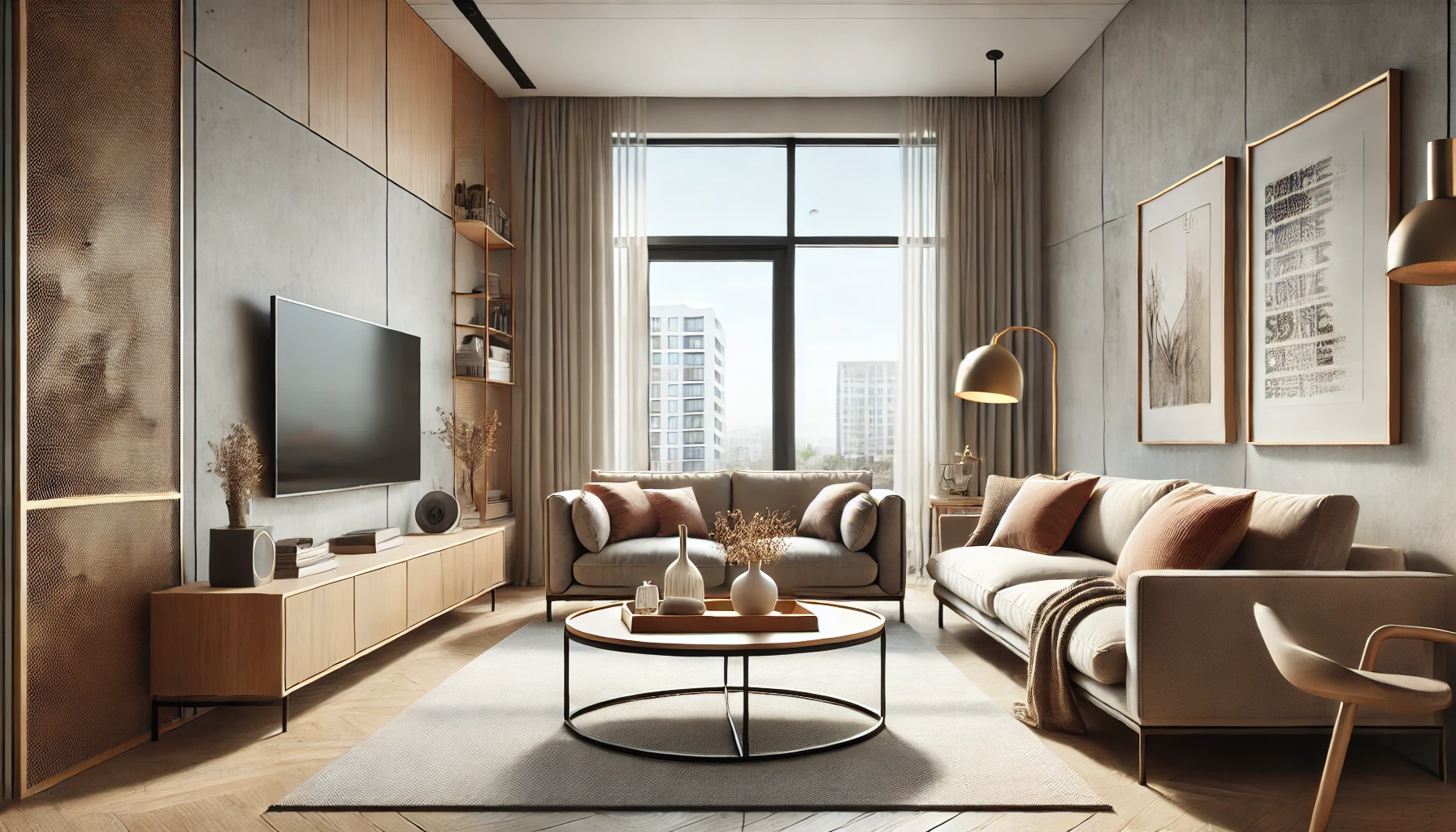
First, list all rooms you want to furnish. Think about how each room is used. A living room might need a sofa, chairs, and a coffee table. A bedroom needs a bed, nightstands, and maybe a dresser. Write down what each room needs.
Focus on pieces that serve a purpose. Functional furniture is important. Choose items that make your daily life easier. For example, a dining table is essential in the dining room. In the home office, a sturdy desk and comfortable chair are vital.

Credit: georgeconstructions.com
Setting A Budget
First, decide how much money you can spend. Think about your total budget for the project. Consider any other expenses. This could include paint or flooring. Make sure to leave some room for unexpected costs. Divide the budget into smaller parts for each room. Make a list of all the furniture needed. Write down the price range for each item. This will help you stay on track.
Next, decide how much to spend on each piece of furniture. Some items will need more money. For example, a sofa or bed. These pieces are used every day. Quality matters here. Other pieces like side tables or lamps can cost less. Look for sales or discounts. This can save money. Always compare prices from different stores. This way, you get the best deal.
Researching Styles
Researching styles helps in deciding how much to spend on interior design furniture. Choose pieces that fit your budget and enhance your home.
Explore Design Trends
Trends in interior design change often. To stay updated, follow design blogs and magazines. Watch home decor shows. Visit furniture stores to see new styles in person. Online platforms like Pinterest and Instagram help too. They offer a wide range of ideas and inspiration. Create a mood board to collect your favorite trends. This will help you visualize your space better.
Identify Personal Preferences
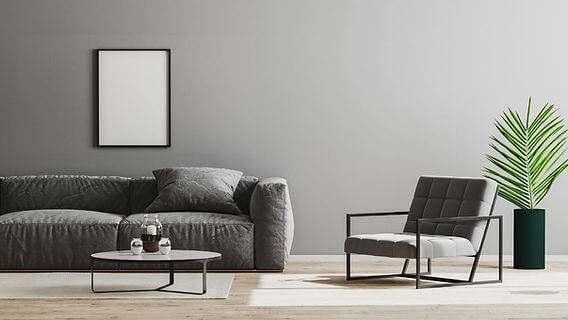
Think about what you love in a room. Do you prefer modern, rustic, or classic styles? Consider colors, materials, and textures that make you happy. Your home should reflect your personality. Write down your likes and dislikes. This will guide your furniture choices. Take note of your daily activities. This helps in choosing functional furniture. Your preferences are key to a comfortable home.
Credit: www.dreamden.ai
Evaluating Quality
Assessing the quality of interior design furniture is essential for smart investments. Check materials, craftsmanship, and durability. This ensures long-lasting value and style in your home.
Check Material Durability
Always inspect the material used in furniture. Strong materials last longer. Wood, metal, and high-quality fabrics are good choices. Weak materials may break easily. This could cost more in the long run. Touch the material. Feel its strength. Good materials feel solid and strong.
Review Craftsmanship
Look at the details. Good craftsmanship shows in the joints and seams. Smooth joints mean better quality. Seams should be tight and even. Poor craftsmanship often shows in uneven or rough edges. Well-made furniture feels sturdy. It doesn’t wobble. Check for any defects. A well-crafted piece will have none.
Balancing Aesthetics And Function
Choose furniture that looks good and works well. Style and comfort both matter. A sofa can be beautiful, but it should also be comfy. Think about materials. Wood can look nice and last long. Fabric can add color and feel soft. Balance is key. Do not pick beauty over use. Both are important.
Measure your space first. Know the size of your rooms. Pick furniture that fits. A big table in a small room is not good. Think about how you move in the space. Pathways should be clear. Do not block doors or windows. Plan your layout. Make sure there is room to walk around. Use your space well. It should feel open and easy to use.
Shopping For Deals
Stores often have furniture sales. Sign up for newsletters. Get alerts about sales. Sometimes, you can find great deals. Holiday sales are common. Check for discounts during these times. End-of-season sales can also save you money. It is smart to be patient. Wait for the right sale.
Always compare prices. Different stores offer different deals. Online shopping makes it easy. Check multiple websites. Look for the best price. Read reviews before buying. This helps ensure quality. Price matching is another trick. Some stores match competitors’ prices. This can save you money. Use these tips to find the best deals.
Consulting Professionals
Experts can help you make the best choices. They know what works. They also understand your style and budget. This can save you time and money.
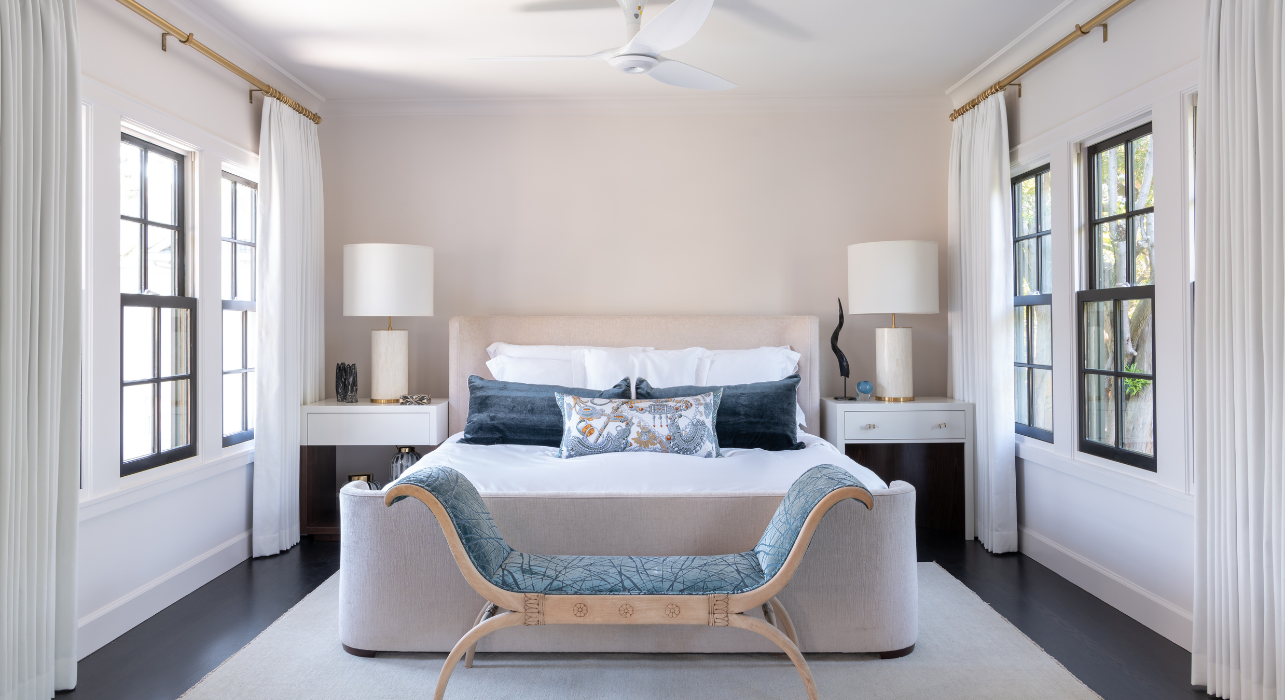
Interior designers have a trained eye. They can see things you might miss. Their advice can help you avoid costly mistakes. They also know where to find quality furniture.
Credit: www.laurau.com
Making Final Decisions
Check your furniture choices. Look for any mistakes. Make sure each piece fits your style. Think about comfort and size. Ensure colors match your room. Double-check measurements. Do you need to change anything? Note your thoughts. It helps in planning.
Choose a delivery date. Make sure someone is home. Prepare space for new furniture. Clear pathways. Measure doorways and halls. Check if the delivery service assembles the furniture. Ask about return policies. This avoids surprises. Plan ahead for a smooth process.
Frequently Asked Questions
What Is A Reasonable Budget For Furniture?
A reasonable budget for furniture depends on your needs and style. Typically, allocate 10-15% of your home’s value. Prioritize essential pieces and invest in quality items that last longer.
How Can I Save Money On Furniture?
To save money on furniture, shop during sales, use coupons, and consider second-hand stores. Look for high-quality, durable items that fit your budget. DIY projects and upcycling old furniture can also save money.
Which Rooms Should I Prioritize For Furniture Investment?
Prioritize high-traffic areas like the living room and kitchen. Invest in quality furniture for these spaces as they are used frequently. Start with essential pieces like sofas and dining tables before moving on to other rooms.
How Do I Choose Furniture For Small Spaces?
Choose multi-functional furniture for small spaces, like sofa beds or extendable tables. Opt for pieces with storage to maximize space. Measure your area and select appropriately sized furniture to avoid overcrowding.
Conclusion
Choosing the right furniture investment improves your home’s look and comfort. Plan your budget carefully to avoid overspending. Prioritize quality over quantity for long-lasting pieces. Consider your home’s size and design style. Always measure your space before buying. This prevents costly mistakes.
Mix and match to create a unique feel. Remember, patience is key. Take your time to find the perfect pieces. Your home should reflect your style and comfort. Happy decorating!

My name is Mahi Uddin, and I’m a blog writer with over two years of experience specializing in creating engaging, informative content using AI tools. I contribute to InExDecor.com, where I share creative ideas and practical tips for transforming interior and exterior spaces into beautiful, functional environments. With a passion for storytelling and a knack for blending creativity with technology, I strive to craft blogs that not only inform but also inspire readers. When I’m not writing, you can find me exploring design trends or enjoying a good book with a cup of coffee.