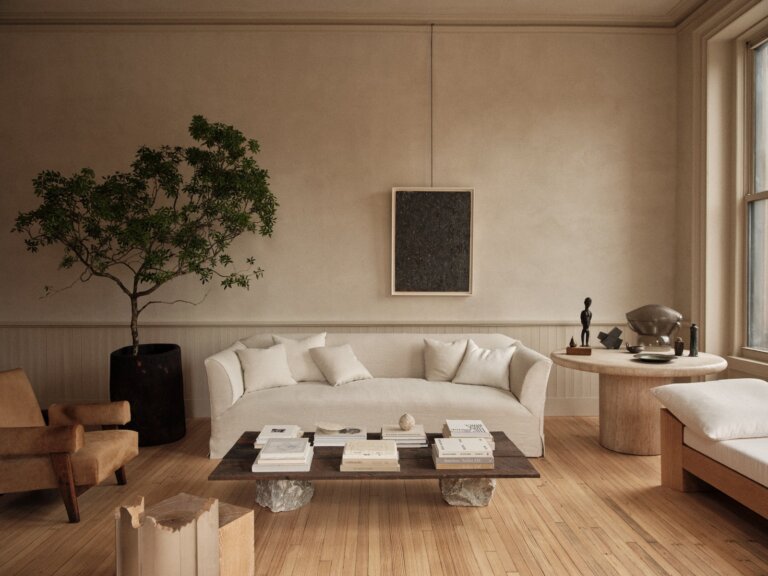
Designing exterior house colors can be challenging but rewarding. The right colors enhance curb appeal and reflect personal style.
Choosing the perfect exterior colors can transform your home. It’s more than just picking paint; it’s about creating harmony with your surroundings. Consider the architecture, landscape, and neighborhood. Think about how colors look in different lights and seasons. A well-chosen palette highlights the best features of your home.
It can even make it look larger or more inviting. Ready to create a stunning exterior? Let’s explore how to design the perfect color scheme for your house.

Credit: www.hgtvhomebysherwinwilliams.com
Choosing The Right Color Palette
Colors can make your home look warm or cool. Warm colors include red, yellow, and orange. Cool colors include blue, green, and purple. Neutral colors like gray, white, and beige can match any style. Bright colors can make your home stand out. Soft colors create a calm look. Think about how colors make you feel. Choose colors that make you happy.
Match your colors with your home’s style. Old houses may look best with traditional colors. Modern homes can use bold colors. Farmhouses often use white and red. Beach houses might use blue and white. Think about the roof color too. Dark roofs match light walls. Light roofs match dark walls. This balance looks nice.
Popular Exterior Color Trends
Neutral tones are very popular for house exteriors. They offer a timeless and elegant look. Many homeowners choose colors like beige, gray, and white. These shades blend well with any environment. Neutral tones also increase the home’s curb appeal. They are easy to match with other colors.
Bold accents add a pop of color to your home. They are perfect for doors, shutters, and trim. Popular bold colors include red, blue, and green. These colors make your home stand out. Bold accents work well with neutral tones. Together, they create a balanced and attractive look.
Harmonizing With The Surroundings
Choosing exterior house colors that blend with the landscape is key. Green and earthy tones often work well. These shades create a natural look. Houses near forests or gardens look great with these colors. Sandy colors suit homes near beaches. They match the sand and sea well. For homes in deserts, beige and tan colors are perfect.
Coordinate colors with your neighbors’ homes for a pleasing view. This does not mean copying their colors. Instead, choose colors that complement each other. For example, if the house next door is blue, your house might look good in a lighter or darker shade of blue. Bright colors can be too much. Soft hues work best in neighborhoods.
Accentuating Architectural Features
Trim can make a house stand out. Use a light color for trim on dark walls. This creates a sharp contrast. A bright trim color makes windows pop. Choose colors that match the overall style. Classic homes look great with white trim. Modern homes can use bold, dark trim. Trim adds detail to a home’s design.
The entryway is the face of the house. A bright color draws attention to the door. Choose a color that complements the main walls. Red doors look inviting and warm. Blue doors give a calm feeling. The color should fit the home’s character. A well-painted entryway makes a home welcoming.
Testing Colors Before Commitment
Using paint samples can help you choose the best color. Paint small areas on different parts of your home. Look at the colors in different lighting. Morning, afternoon, and evening light can change how the color looks. Test colors on different surfaces. Wood, brick, and stucco can make the color look different. This way, you will know if you like the color before painting the whole house.
Digital tools can help you see your home with new colors. Upload a photo of your home to a tool. Try different colors on the digital photo. This helps you visualize the final look. You can try many colors without buying paint. Save time and make better choices.
Considering The Climate
Choose weather-resistant colors for your home. These colors last longer. They can withstand sun, rain, and snow. Neutral colors like beige and gray are good options. Dark colors absorb heat and may fade quickly. Light colors reflect sunlight and stay bright longer. Stains and finishes also help protect the paint. They add a layer of protection from the elements.
Sunlight affects how colors look. Bright sunlight makes colors look lighter. Shaded areas make colors look darker. Test paint in different light before choosing. North-facing walls get less sun. South-facing walls get more sun. This helps in picking the right shade for each side of the house.
Diy Vs. Professional Help
Choosing to paint your house yourself can save money. You have the freedom to pick colors and change them whenever you like. DIY projects can be fun and rewarding. You learn new skills. You work at your own pace. No need to schedule around someone else. You get a sense of accomplishment when the job is done. It can also be a good workout. Plus, you have full control over the process.
Experts know the best materials and techniques. They finish the job quicker. They also ensure a high-quality finish. You avoid the stress and mess. Professionals also have the right tools. They can give advice on color choices. They understand design trends. You get a warranty with their work. Hiring experts can actually save time and effort.

Credit: www.absoluteapaintingcompany.com
Maintaining Exterior Paint
Regular cleaning keeps your house looking fresh. Use a gentle soap and water mix. Avoid harsh chemicals. They can harm the paint. Rinse well with clean water. Do this twice a year for best results. Focus on dirty spots and shaded areas. These areas collect dirt faster.
Keep extra paint for touch-ups. Small chips and cracks happen. Fix them quickly. Clean the area first. Use a small brush for touch-ups. Match the paint color well. This keeps your house looking new. Shake the paint can well before use. This mixes the color evenly.

Credit: www.acmdesignarchitects.com
Frequently Asked Questions
What Are The Best Exterior House Color Combinations?
Choosing complementary colors can enhance your home’s curb appeal. Pairing neutral shades with bold accents is popular. Consider the architectural style and surroundings.
How Do I Choose Exterior Paint Colors?
Start by considering the roof color, landscaping, and neighborhood. Use color samples to test shades. Stick to three main colors.
What Exterior Colors Make A House Look Bigger?
Light colors, like whites and pastels, make a house appear larger. They reflect more light, giving a spacious feel.
Should I Use Dark Colors For Exterior?
Dark colors add drama and sophistication but can make spaces feel smaller. Use them as accents or on larger homes.
Conclusion
Choosing the right exterior house colors can transform your home’s look. Consider your surroundings and personal taste. Experiment with different shades. Don’t be afraid to mix and match. Remember, lighter colors can make your house appear larger. Darker shades add depth and elegance.
Balance is key. Test colors on small areas first. This ensures you love the final result. A well-chosen palette enhances curb appeal. It also reflects your style. So, start planning your color scheme today. Your dream home awaits with the perfect exterior colors.

My name is Mahi Uddin, and I’m a blog writer with over two years of experience specializing in creating engaging, informative content using AI tools. I contribute to InExDecor.com, where I share creative ideas and practical tips for transforming interior and exterior spaces into beautiful, functional environments. With a passion for storytelling and a knack for blending creativity with technology, I strive to craft blogs that not only inform but also inspire readers. When I’m not writing, you can find me exploring design trends or enjoying a good book with a cup of coffee.