Interior designers use geometry to create balanced and harmonious spaces. They rely on shapes, lines, and angles to enhance aesthetics.
Geometry plays a crucial role in interior design. Designers use it to plan room layouts, furniture arrangements, and decor elements. By understanding geometric principles, they can create spaces that feel cohesive and inviting. Geometry helps in selecting proportions, ensuring that everything fits well together.
For instance, the use of symmetry and asymmetry can lead to visually pleasing results. Whether it’s in choosing patterns, arranging furniture, or designing custom pieces, geometry is a fundamental tool. It guides designers in making choices that improve both form and function. This blog will explore the fascinating ways interior designers incorporate geometry into their work.
Importance Of Geometry In Interior Design
Geometry helps designers create balance in a room. Using shapes and lines, they can make a space look even. This balance makes rooms feel comfortable and inviting. Shapes like squares and circles play key roles. They provide a sense of order. Without balance, a room can feel chaotic.
Shapes and patterns enhance the aesthetics of a space. Triangles, circles, and squares can make a room more interesting. Designers use these shapes to draw attention. They often mix different shapes for a unique look. This adds visual interest and keeps the space engaging. Simple geometry can make a big difference.
Basic Geometric Shapes
Interior designers use squares and rectangles to create order. These shapes are common in floor plans and furniture. A square room feels balanced. Rectangular tables fit well in dining areas. Designers also use rectangular rugs to define spaces. Shapes like these make a room look neat and tidy.
Circles and ovals add softness to a room. A round table can make a small room feel open. Oval mirrors can make a wall look interesting. Designers use these shapes in light fixtures and decorations. They break up the straight lines in a room. This makes the space feel welcoming. Circles and ovals are great for creating a cozy feeling.
Using Symmetry And Asymmetry
Interior designers use symmetry and asymmetry to create balance and interest in a room. Symmetrical designs offer harmony, while asymmetrical layouts add dynamism. Both techniques enhance the overall aesthetic.
Achieving Harmony
Interior designers use symmetry to create balance. It makes a room feel calm. Symmetry means both sides look the same. It helps in small spaces. It can make them feel bigger. Symmetry is easy on the eyes. It gives a sense of order.
Asymmetry adds interest. It uses different items on each side. This makes a room feel lively. Asymmetry can be seen in art. Designers use it to break the monotony. It adds character. It can make a room unique. Asymmetry is fun. It catches the eye. It is never boring.
Adding Interest
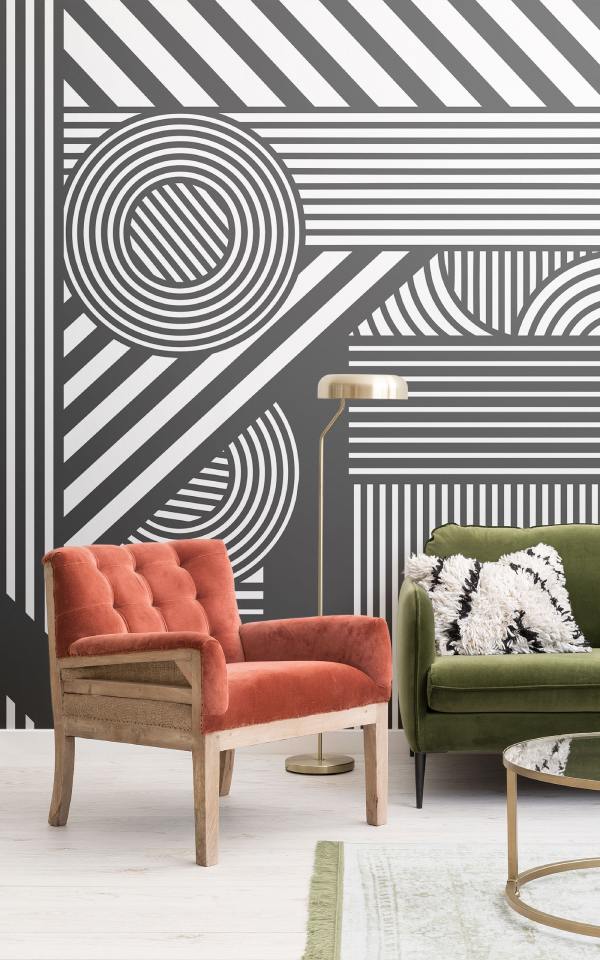
Geometry brings life to rooms. Shapes and lines make spaces pop. Triangles, circles, and squares add style. Different shapes can work together. They create a dynamic look. Lines guide the eye. They can make rooms feel longer. Or wider. Designers use geometry to add depth. It makes rooms more exciting.
Credit: gharpedia.com
Proportion And Scale
Choosing the right size of furniture is vital. It ensures balance in a room. A large sofa can overpower a small space. Small chairs can look lost in a big room. Designers use proportions to get it right. They measure and compare sizes. This helps in creating harmony.
Room size affects furniture choice. Large rooms need bigger furniture. Small rooms need smaller pieces. This maintains a good scale. Designers also consider ceiling height. Tall ceilings can handle tall furniture. Low ceilings need shorter pieces. This makes the room look right.
Patterns And Textures
Interior designers use geometric patterns to create visual interest. These patterns can add a modern touch to any room. Circles, squares, and triangles are common shapes. Each shape brings a different feel. Circles create a soft and welcoming vibe. Squares give a structured look. Triangles add a dynamic touch. Mixing these shapes can make a room look balanced and exciting.
Layering textures can make a room cozy and inviting. Different fabrics like velvet, cotton, and silk add depth. Rugs, curtains, and pillows are easy ways to add texture. Combining smooth and rough textures creates contrast. This makes a space feel rich and interesting. Using various textures can also help to highlight geometric patterns. It brings a room together in a harmonious way.

Credit: avenuerealtygroup.com
Spatial Relationships
Interior designers use geometry to create balance and harmony in spaces. They arrange furniture and decor based on geometric principles. This approach ensures functional and visually pleasing environments.
Positive And Negative Space
Interior designers use positive and negative space to create balance. Positive space is filled with objects like furniture. Negative space is empty areas around these objects. This balance helps the room feel open and organized. Too much of one can make a room feel cluttered or empty.
Flow And Movement
Designers plan the flow and movement of a room. This guides how people move through the space. Clear paths help the room feel natural and comfortable. Furniture placement and walkways direct this movement. This creates a pleasing and functional layout.
Color And Geometry
Color blocking uses bold colors to create shapes. These shapes can be squares, rectangles, or other forms. Designers use this technique to make spaces feel vibrant and lively. A red wall next to a blue wall makes a striking effect. It draws the eye and adds interest to the room.
Geometric color schemes use patterns like stripes or chevrons. These patterns can be subtle or bold. Mixing different shapes and colors can create harmony. For example, a black and white chevron pattern adds modern flair. Colors like yellow or green can add freshness.

Credit: www.linkedin.com
Using Geometry In Small Spaces
Interior designers use geometry to create functional and beautiful small spaces. They arrange furniture and decor to optimize every inch. Clever geometric patterns and shapes enhance visual appeal and flow.
Maximizing Storage
Geometry helps in creating smart storage solutions. Designers use rectangular shelves to fit in small corners. Triangular drawers can slide into unused spaces. This makes the most of every inch. Clever use of shapes means more storage without clutter.
Creating Illusions Of Space
Geometric patterns can make a room look bigger. Stripes on walls add depth. Mirrors with geometric frames reflect light. This makes rooms feel airy. Simple shapes and lines help create these effects. Rooms feel open, even if they are small.
Frequently Asked Questions
How Do Interior Designers Use Geometry?
Interior designers use geometry to create balanced and harmonious spaces. They use shapes, lines, and angles to plan layouts.
What Geometric Shapes Are Used In Interior Design?
Interior designers use circles, squares, triangles, and rectangles. These shapes help in creating patterns, focal points, and symmetry.
Why Is Symmetry Important In Interior Design?
Symmetry creates a sense of balance and harmony in a room. It makes spaces feel more organized and visually appealing.
How Does Geometry Influence Furniture Placement?
Geometry helps in determining optimal furniture placement. It ensures functionality and aesthetic appeal, enhancing the flow of the space.
Conclusion
Geometry plays a key role in interior design. Designers use shapes and patterns to create balance. Symmetry adds harmony to spaces. Circles, squares, and triangles offer unique visual appeal. Lines guide the eye, enhancing flow. Proportion ensures furniture fits well.
Geometric elements create both style and function. Understanding geometry helps achieve beautiful, practical interiors. By embracing these principles, anyone can enhance their living spaces. Geometry truly transforms ordinary rooms into extraordinary spaces.

My name is Mahi Uddin, and I’m a blog writer with over two years of experience specializing in creating engaging, informative content using AI tools. I contribute to InExDecor.com, where I share creative ideas and practical tips for transforming interior and exterior spaces into beautiful, functional environments. With a passion for storytelling and a knack for blending creativity with technology, I strive to craft blogs that not only inform but also inspire readers. When I’m not writing, you can find me exploring design trends or enjoying a good book with a cup of coffee.