Fire Pit Ideas for a Small Backyard: Layouts, Safety, and Cozy Setups

Hey There! Some links on InexDecor.com are affiliate links. If you make a purchase through them, we may earn a small commission at no extra cost to you. We only recommend trusted products to support our content. Thank you for your support!
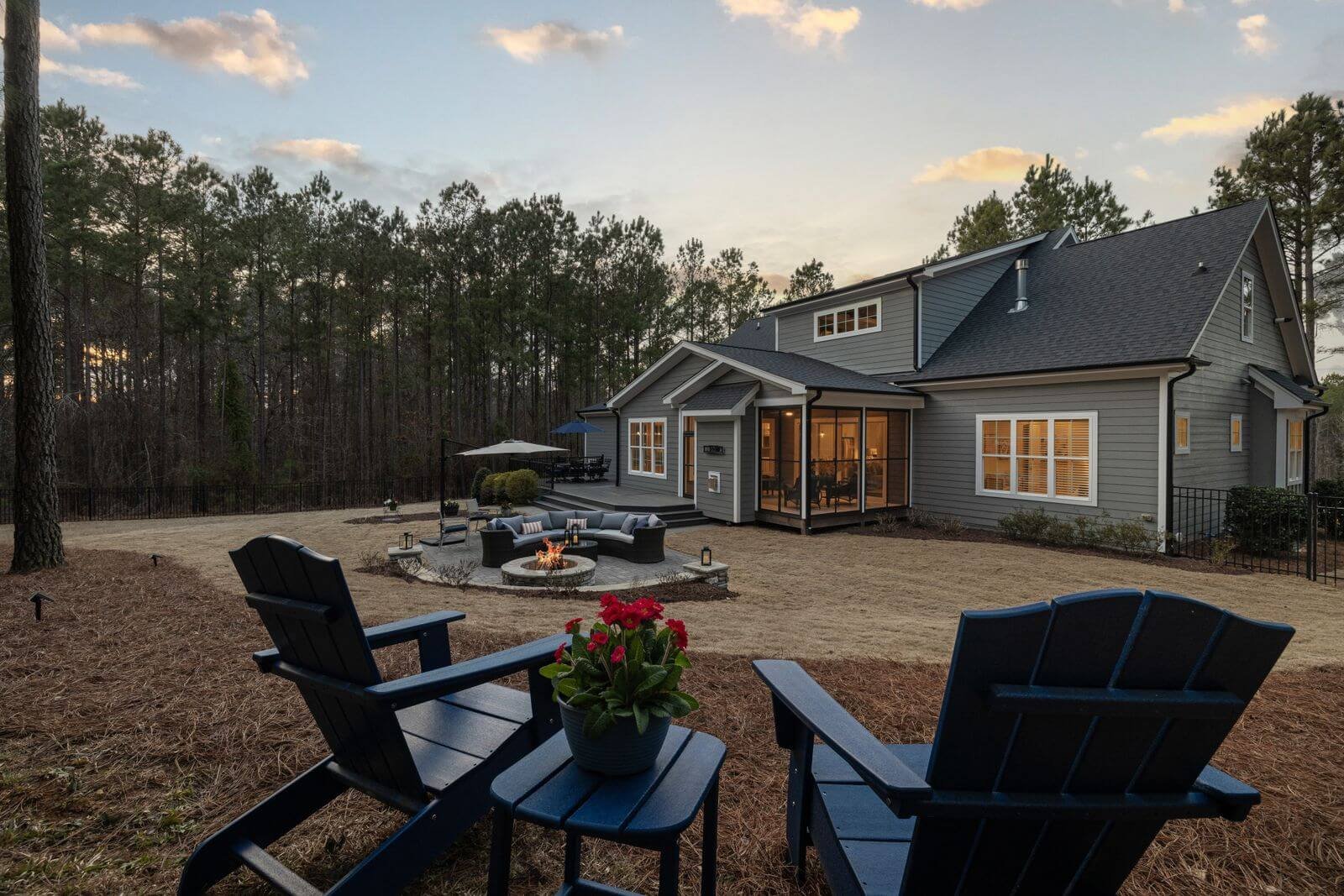
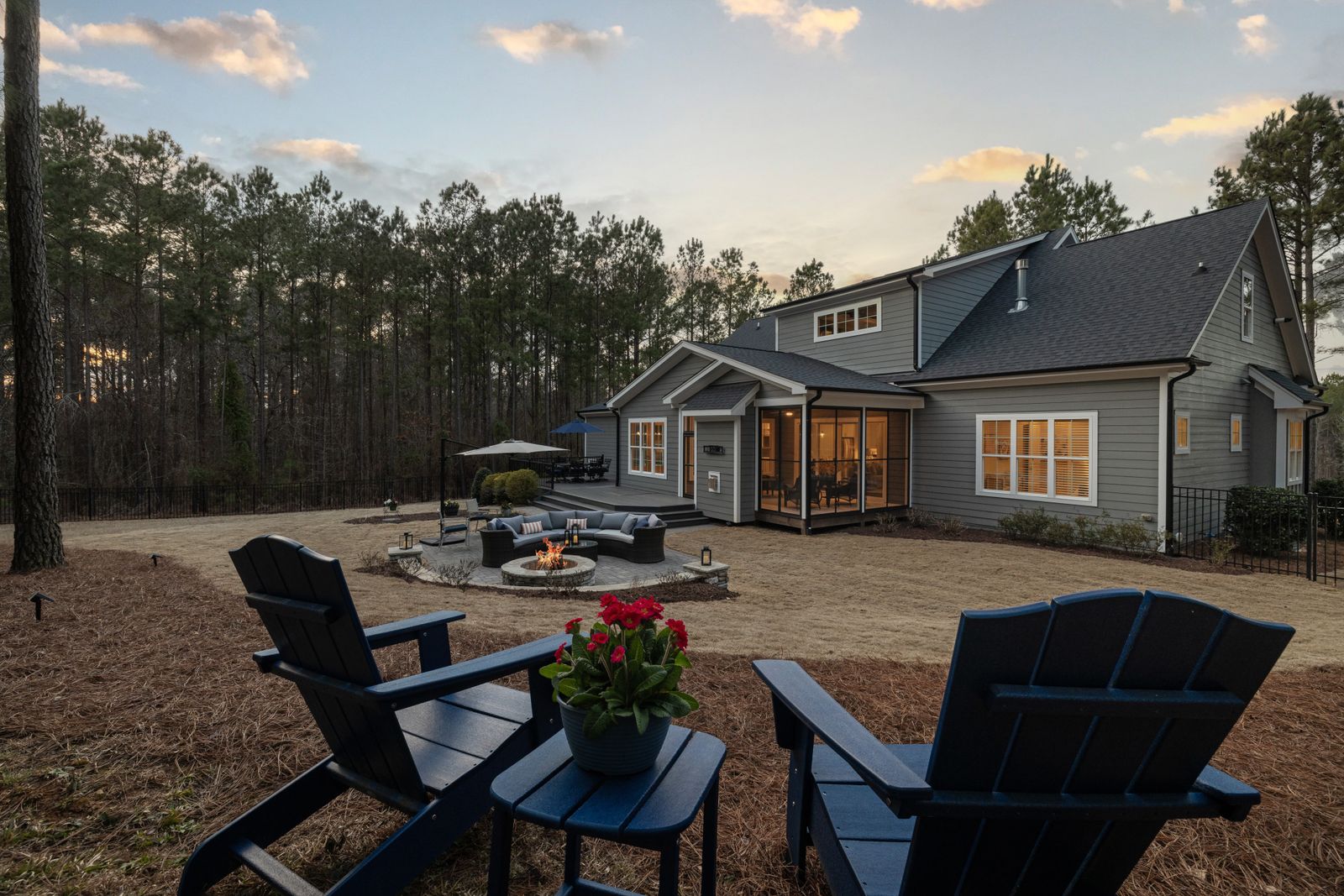
The best fire pit ideas for a small backyard start with a simple truth: in a tight space, the layout matters more than the size of the fire. A compact pit, four well-placed chairs, and a clear path to the door will feel more comfortable than a large pit squeezed into a corner with nowhere to sit. This guide shows you how to choose the right type, plan a layout that fits, keep the required clearances, and style the space so it feels cozy rather than crowded.
You do not need a large garden or a big budget: just a level surface, enough distance from fences and walls, movable seating, and a pit sized to the people who will use it. Most small yards work best with a pit 24 to 36 inches wide, paired with lightweight chairs and a small side table.
Key Takeaways
- Measure before you shop. A pit needs at least 10 feet of clearance from structures in most cases, plus room for chairs and a walkway.
- For most small yards, a 24–36 inch smokeless wood-burning pit or a propane tabletop pit is the easiest fit.
- Leave 36–42 inches between the edge of the pit and the front of each chair so knees stay warm without feeling scorched.
- Choose movable, stackable, or folding seating so the patio can change from fire-pit mode to open space in minutes.
- Keep a fire extinguisher or a bucket of sand nearby, never leave a fire unattended, and check local rules before you burn wood.
- Add low lighting, a windbreak, and soft textures: blankets, cushions, and an outdoor rug, to make a small space feel warm and finished.
Table of Contents
- Why Small Yards Need a Different Fire Pit Plan
- Fire Pit Ideas for a Small Backyard: Choosing the Right Type
- Three Layout Plans That Fit Patios Under 400 Square Feet
- Safety Rules and Clearances You Should Not Skip
- Seating, Lighting, and Cozy Styling for Small Spaces
- Seven Mistakes That Make a Small Fire Pit Area Feel Cramped
- Care, Maintenance, Storage, and Budget Tiers
- Frequently Asked Questions
- Conclusion: Start Small, Sit Close, and Enjoy It
Why Small Yards Need a Different Fire Pit Plan
A large yard forgives a bad layout. A small yard does not. When every square foot counts, think in zones: a fire zone, a seating zone, and a walking zone. If those three overlap, people trip over chair legs, smoke drifts into open windows, and nobody stays outside for long. If they are separate, even a 12 by 16 foot patio can feel generous.
Start by standing in the middle of your yard. Where is the back door? Which fence blocks the wind, and which way does smoke usually travel? A pit on the windy side sends smoke into the seating area. The right spot is usually the flattest, most open part of the yard, a few steps from the door.
Before comparing types, ask what fuel you can use, how many people will sit there normally, and whether the pit stays out all year.
How Much Space Do You Really Need?
Plan for a circle about 10 to 12 feet across for four people: the pit, the chair ring, and a gap behind the chairs. A 30-inch pit takes up about 2.5 feet; add 3 feet of heat space on each side and a narrow walkway, and you reach 10 to 12 feet. If your patio is smaller, use a tabletop pit or two chairs. Measure with tape, mark the circle with chalk, and sit in it before you buy. The same measure-first habit helps indoors. See Modern Living Room Design with AI in Planner 5D.
Fire Pit Ideas for a Small Backyard: Choosing the Right Type
The fire pit ideas for a small backyard that work best match your fuel, your space, and how much smoke, ash, and storage you are willing to manage. The four main types below cover almost every small yard.
Wood-Burning Fire Pits
A classic wood pit gives strong heat and low running costs, but smoke is the main problem in a small yard: an open bowl sends smoke in every direction, and a fenced yard traps it. Choose wood only with good airflow and dry-wood storage; a raised bowl with a spark screen is safer.
Smokeless Wood-Burning Fire Pits
Smokeless pits use a double wall and small air holes to burn wood more completely, so they produce far less smoke and a hotter, cleaner flame. They are the most popular choice for small yards: you keep the wood-fire feeling without filling the patio with smoke. They cost more than a basic bowl, they still need dry, seasoned wood, and they are heavier than they look. The most useful size is 19 to 24 inches wide: large enough for four people, small enough to store in a shed.

Propane and Tabletop Fire Pits
Propane pits light with a button, turn off instantly, and produce no ash, sparks, or smoke, ideal for renters and weeknight fires. The trade-off is heat: steady warmth for two to four people, not a large group on a cold night. Hide the cylinder inside the base or beside it with a cover. Tabletop pits, often 12 to 20 inches wide, sit on an existing table and suit balconies, but give atmosphere and a little warmth, not heat for a cold evening. Never place one on a plastic table.

Comparison Table: Fire Pit Types for Small Yards
| Type | Best for | Heat | Smoke | Running cost | Storage |
|---|---|---|---|---|---|
| Wood-burning bowl | Low cost, strong heat, open yards | High | High | Low | Medium |
| Smokeless wood pit | Small fenced yards, wood-fire feel | High | Low | Low to medium | Medium |
| Propane pit / table | Renters, quick evenings, no ash | Medium | None | Medium | Easy |
| Tabletop pit | Balconies, tiny patios, two people | Low | None to low | Medium | Very easy |
If you are torn between wood and propane, ask how often you will use the pit. Weekly wood fires reward a smokeless pit. Occasional, spontaneous evenings reward propane.
Three Layout Plans That Fit Patios Under 400 Square Feet
Pick the plan closest to your yard shape, then adjust by a foot in either direction.
Plan 1: The Classic Circle (12 x 12 ft)
Place the pit in the centre of a 12 by 12 foot patio, at least 3 feet from the patio edge on every side. Put four chairs around it, 36 to 42 inches from the pit edge, leaving one gap as the entrance and a small side table in a second gap. Keep any rug at least 24 inches from the pit edge.
Plan 2: The Half-Circle Against a Wall (10 x 14 ft)
If your yard is narrow, place the pit 4 to 5 feet from a non-combustible wall, then arrange three chairs in a half-circle facing the pit. The open side becomes the entrance and walkway, and the wall blocks wind and reflects a little heat back. Never place a wood pit close to a wooden fence, shed, or house wall without checking the manufacturer’s clearance and local rules; a propane pit is often safer here because it has no sparks. Leave at least 36 inches behind the chairs for people to pass. For ideas on making a narrow outdoor space feel intentional, see Modern Balcony Design with AI in Homestyler, which shows how a small footprint can still have clear zones for sitting, planting, and walking.
Plan 3: The Corner Nook for Two to Three People (8 x 10 ft)
Place a 19–24 inch pit in the corner, angled so seating faces the open yard. Use two armchairs and one small bench, 30 to 36 inches from the pit, with a narrow side table between the chairs and a tall planter as a windbreak. For surfaces, use concrete, pavers, gravel, or brick; wood decking needs a dedicated pad and a raised pit, and grass needs a paver or gravel base.

Safety Rules and Clearances You Should Not Skip
Keep the pit at least 10 feet from your house, shed, garage, fences, trees, and overhanging branches unless the manufacturer and local rules state a larger distance. Keep at least 3 feet clear around the pit, free of cushions, blankets, and dry leaves. Leave 36 to 42 inches between the pit edge and each chair, and keep the area above the pit clear for at least 10 feet: no low branches, pergola roof, or washing line. Place the pit on a level surface and check that it does not rock.
Check local rules before your first fire: some areas require a permit, ban wood burning on high-pollution days, or set association distance rules. Use a spark screen, keep sand, an extinguisher, or a hose within reach, and never use petrol to start a fire. Never leave a fire unattended, and never let children or pets sit unsupervised near a hot pit. Let embers cool fully; ash can stay hot for hours, so store it in a lidded metal container. Burn only dry, seasoned wood. For propane, check hoses each season and never store a spare cylinder indoors. Keep fires shorter on still, damp evenings, and agree reasonable times with neighbours.
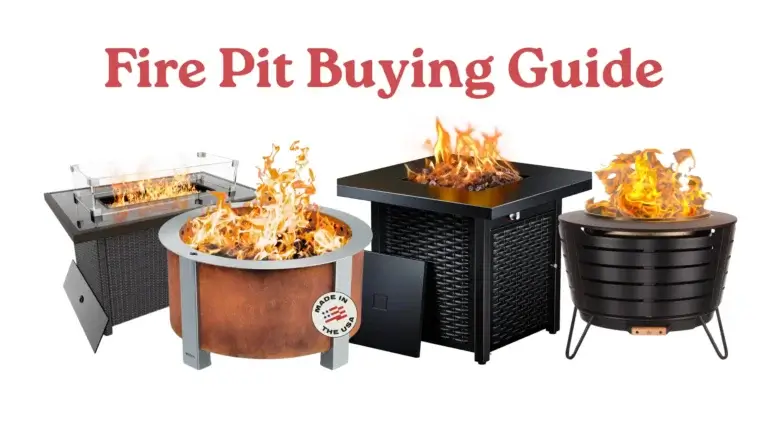
For choosing the pit itself: sizes, fuel types, and what to spend, our fire pit buying guide is the complete walkthrough, and our best smokeless fire pit roundup covers the models worth your money. The Fire Pit Reviews hub collects every model we have compared, and more outdoor projects live in the Exterior Design hub.
Seating, Lighting, and Cozy Styling for Small Spaces
Seating decides whether a small fire pit area feels cozy or cramped. Heavy, wide lounge chairs eat the walkway and block heat; light, narrow, movable seating lets people shift closer when cold and out of the way when the fire is not lit. Compact Adirondack chairs, folding camp chairs, and a low bench all work well. Avoid loose fabric that can blow into the fire. For a coordinated look, see Modern Dining Room Design with AI in Homestyler.
Use warm white light so the fire stays the star: solar path lights mark the route, a string of lights to the side adds a soft glow, never directly over the pit. And a battery lantern helps with reading. Add texture, not clutter: outdoor cushions with washable covers, a folded blanket on each chair, and a small rug make a bare patio feel like a room. The same calm palette works indoors; see Modern Home Office Design with AI in Coohom.

Seven Mistakes That Make a Small Fire Pit Area Feel Cramped
- Buying before measuring. A pit 6 inches too wide can remove a whole chair from the circle.
- Choosing a pit that is too tall. A low, wide pit lets heat reach knees and lets everyone see each other.
- Adding too much furniture. A pit, seats, and one or two small tables are enough; a large coffee table blocks legroom.
- Using indoor cushions outside. They absorb rain and grow mould; use outdoor cushions with washable covers.
- Forgetting the walkway. Keep one clear entrance, at least 24 inches wide, at all times.
- Placing the pit under a tree or pergola. Falling leaves, low branches, and a roof above a fire are safety risks.
- Lighting a fire on a windy night without a plan. Check the wind, use a spark screen, and keep the fire smaller.
Care, Maintenance, Storage, and Budget Tiers
After each wood fire, let ash cool completely and scoop it into a lidded metal container. For propane, turn off the gas at the cylinder first. Each spring, check for rust, loose screws, and damaged hoses. Use a fitted waterproof cover, and store a portable pit in a shed in winter if you can; store cushions dry indoors. Around $150, expect a basic wood bowl or small tabletop propane pit plus two folding chairs. Around $400, expect a good 19–24 inch smokeless pit or mid-size propane table, plus four compact chairs, the sweet spot for most small yards.

Ready to Buy? Compact Picks That Suit Small Yards
- Solo Stove Mesa, the tabletop option: a small wood/pellet bowl that turns a side table into a fire feature for two. Check Price on Amazon →
- Solo Stove Ranger, the compact smokeless pick: real wood flame, minimal smoke, sized for small zones. Check Price on Amazon →
- Outland Living Firebowl: the propane pick: instant, clean, deck-friendlier, and easy to store. Check Price on Amazon →
- Gas One 22 in Outdoor Wood Burning Fire Pit, the budget classic: simple alloy-steel bowl on legs, with a mesh lid and fire picker. Check Price on Amazon →
- Fire pit mat, rated for decks and patios, cheap insurance under any of them. Check Price on Amazon →
Frequently Asked Questions
What size fire pit is best for a small backyard?
A pit 24 to 36 inches wide suits most small yards, with 19 to 24 inches best for two to four people on a patio under 200 square feet. Measure a circle 10 to 12 feet across, mark it with chalk, and sit in a chair inside it before you buy.
How far should a fire pit be from a house or fence?
Keep a wood-burning pit at least 10 feet from houses, sheds, fences, trees, and overhanging branches, with at least 3 feet clear around the pit itself. Propane pits may allow a shorter distance under the manufacturer’s instructions, but always check the manual and local rules before lighting it. Never place a pit under a pergola, a low roof, or a tree.
Are smokeless fire pits really smokeless?
Smokeless pits are much less smoky than a basic wood bowl, but not completely smoke-free, especially at lighting or with damp wood. Use dry, seasoned wood, let the pit warm up before adding large logs, and avoid wet or treated wood.
Can I put a fire pit on a wooden deck?
You can only do this if the pit and pad are specifically rated for deck use, with a heat-resistant pad, a raised pit, and strict clearances. Many manufacturers warn against wood pits on decks, and some local rules ban them. A propane pit on a proper pad is often a safer deck option, but check the manual, your deck material, and local rules before you decide.
What is the safest fire pit for a small backyard with children or pets?
A propane pit with a low, stable base and no sparks is usually safest, because you can turn it off instantly and there is no ash or flying ember. Keep children and pets at least 3 feet from the pit, use the seating ring to mark the safe distance, and never leave the fire unattended. A smokeless wood pit with a spark screen is a good second choice.
How do I stop smoke blowing into my seating area?
Place the pit downwind of the seats so smoke rises away from people, use a smokeless pit and dry wood, and add a low windbreak on the windy side. Keep fires smaller on still, damp evenings when smoke hangs low, and avoid burning wet leaves or rubbish. If smoke is a regular problem, a propane pit removes the issue completely while still giving warmth and light.
Conclusion: Start Small, Sit Close, and Enjoy It
The best fire pit ideas for a small backyard are not about buying the biggest pit or filling every corner with furniture. They are about measuring first, choosing a pit that fits your fuel and space, leaving clear room to sit and walk, and adding small comforts: a blanket, a side table, a soft light, that make people want to stay outside. Start with one layout plan here, mark it out, and light a small fire. Your small backyard is not a limitation. It is the reason the fire feels close and warm.

My name is Mahi Uddin, and I’m a blog writer with over two years of experience specializing in creating engaging, informative content using AI tools. I contribute to InExDecor.com, where I share creative ideas and practical tips for transforming interior and exterior spaces into beautiful, functional environments. With a passion for storytelling and a knack for blending creativity with technology, I strive to craft blogs that not only inform but also inspire readers. When I’m not writing, you can find me exploring design trends or enjoying a good book with a cup of coffee.