You can design your house exterior on a budget by spending first on the changes with the biggest visual impact and the lowest cost: a fresh coat of paint, a painted front door, better lighting, new house numbers and a thorough landscaping clean-up. Those five upgrades transform how a house looks from the street for far less than new siding, windows or a full remodel, and most of them are realistic weekend jobs.
This guide puts the highest-impact, lowest-cost upgrades first, explains what to do yourself and what to hire out, and shows where not to cut corners. If you want the full sequence before you start, our complete guide to designing a house exterior sets the context, and our step-by-step planning guide puts each decision in order.
Start With the Highest-Impact, Lowest-Cost Wins
A budget exterior is not about doing everything cheaply; it is about doing the visible things first. Stand on the street and ask what a visitor actually notices: the color of the house, the front door, the path and the planting. Those are the surfaces worth your money. A cracked driveway, peeling paint or a sagging gutter also count, because repairs protect the house — but a new garden ornament or expensive outdoor furniture can wait until the big surfaces look right.
Make a short list, then work through it in impact order rather than in the order you think of things. Paint and the front door change the whole look of the house. Lighting makes it look cared for after dark. A clean, tidy yard costs little more than time and makes every other change look better. Only after those are done should you spend on decorative details, which are the easiest to add and the least noticeable if you skip them. Browse more exterior design ideas for low-cost inspiration, and keep a photo of the house before you start so you can see how far each small change takes you.

Credit: www.brickandbatten.com
Paint: The Cheapest Big Change You Can Make
Paint is usually the cheapest high-impact change you can make to a house exterior. A fresh coat on tired siding, trim or a porch can make the whole house look newer, and painting only the trim and front door can be enough if the body color is still sound. Wash the surface first, scrape and sand any loose paint, and use primer where bare wood shows, because good preparation is what makes a budget paint job last.
Choose the color carefully, because repainting to fix a wrong choice is the most expensive kind of cheap paint job. Our guide to choosing exterior house colors explains the 60-30-10 rule — about 60 percent body color, 30 percent trim and 10 percent accent — and how to test large samples in real daylight. If the budget is very tight, paint the front door and trim in a fresh, confident color and leave the body color until later; the contrast alone will make the house look brighter and better cared for.
The Front Door, Lighting and House Numbers
After paint, the front door is the best value upgrade on the house. A new color, new hardware and a clean, well-lit entry make visitors feel welcome before they reach the door, and the job usually takes a day. Choose a deep, timeless color — navy, forest green, brick red or black — and match the handle, hinges and house numbers in the same finish, because mismatched metals make even a new door look unfinished. Our guide to the front of the house and curb appeal shows how the door, porch and path work together as one first impression.
Lighting is the next small change with a big return. Solar path lights are inexpensive, easy to install and need no wiring, and they make the walk to the door safe and welcoming after dark. A porch light that matches the door hardware, plus one light that highlights a tree or a texture on the wall, is usually enough. Then replace small, dated details: clear, easy-to-read house numbers in a modern finish, a sturdy mailbox that matches them, and a doormat that is clean and in proportion to the door. Each costs little on its own, but together they make the entry look considered rather than neglected.
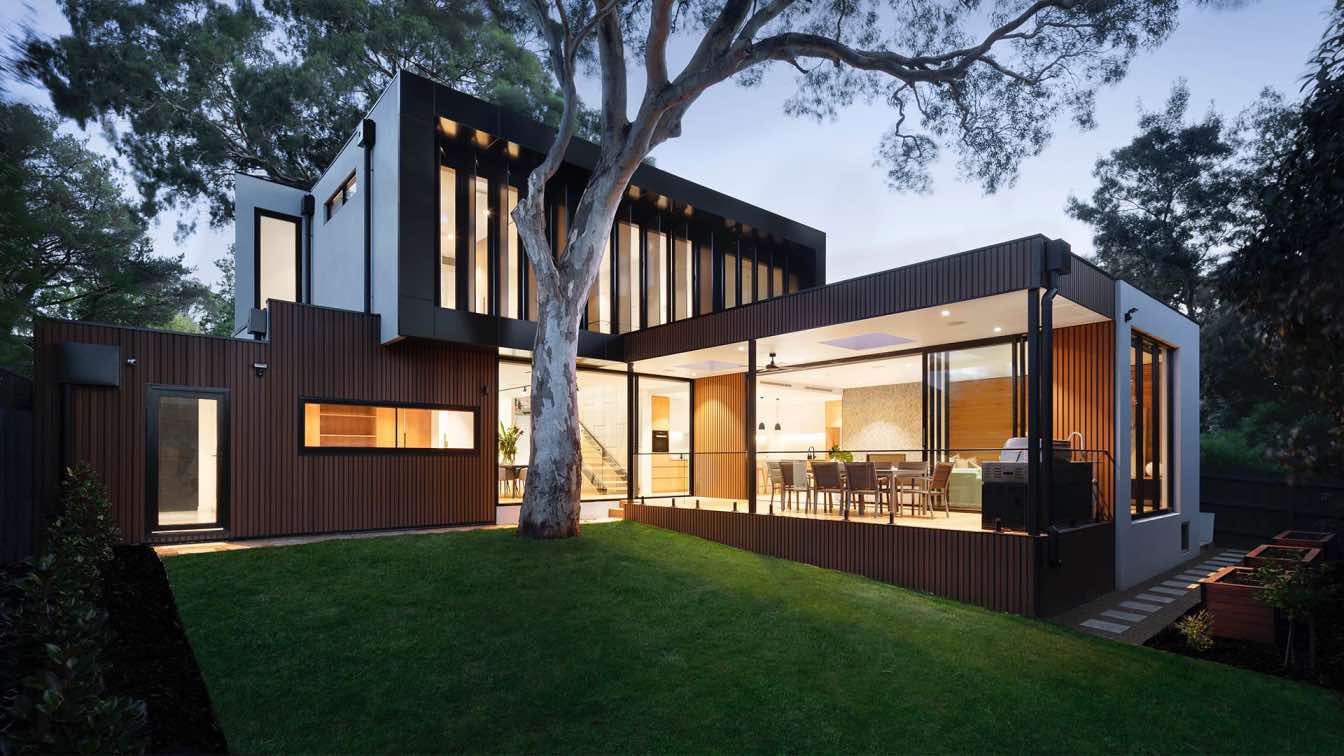
Credit: amazingarchitecture.com
Clean Up the Landscaping Before You Buy Anything New
Before you buy a single plant, clean up what you already have. Mow and edge the lawn, trim bushes so they do not hide the windows, pull weeds from the path and driveway, and sweep the porch. A tidy yard is free except for your time, and it makes the house look larger and better maintained than any new planting will. Remove anything broken, rusted or unused — a leaning fence panel, a cracked pot, an old hose — because clutter reads as neglect from the street.
Then add planting where it guides the eye to the front door: a few low, hardy plants along the path, flowers near the entry, and one or two shrubs to frame the house, not hide it. Native, low-maintenance plants are a good budget choice because they need less water and care. On a small lot, compact planting and clear paths matter even more, as our guide to small house exteriors explains. Mulch the beds when you are done — it is inexpensive, it keeps weeds down, and it gives the whole yard a finished look in a single afternoon.
What to DIY vs Hire Out — and Where Not to Cut Corners
Doing the work yourself saves money only when the result is good, so match the job to your skills. Painting a front door, trimming, planting, cleaning and most decorative changes are realistic DIY jobs for a homeowner, whereas painting the whole house, repairing the roof and gutters, or installing wired lighting requires time, proper safety equipment and experience. If your time is limited, prioritize the surface preparation and finishing, as those are the steps that determine whether a paint job lasts.
There are places you should never cut corners to save money. Never skip cleaning and priming a surface before painting — that is the real cause of most peeling paint. Never use cheap products where safety is at stake, such as electrical wiring, outdoor lighting or a secure front door, and never delay a repair that protects the house, such as water damage, rotting trim, loose steps or a blocked gutter. Remember that high-quality paint, hardware and lighting last longer and need less maintenance. The result is a design that saves money, because it does not need to be redone as often.

Credit: hover.to
Frequently Asked Questions
What is the cheapest way to improve a house exterior?
Start with paint, especially the front door and trim, then clean up the landscaping and add simple lighting. Those changes cost the least and change how the house looks from the street more than any other upgrade.
Should I paint my house exterior myself?
Painting a front door, trim or porch is a realistic DIY job. Painting a whole house is a bigger job — it needs proper preparation, safe access and time — so hire a professional if you are not confident you can do it well.
How can I improve curb appeal on a small budget?
Focus on the entry: paint the front door, add matching house numbers and a mailbox, put in solar path lights and tidy the yard. A clean path and trimmed planting make the whole house look better cared for.
What exterior upgrades are worth spending more on?
Spend more on things that protect the house and last: good paint and preparation, secure door hardware, quality lighting and any repair to the roof, gutters or trim. Those are the upgrades that prevent bigger costs later.
Can I design my house exterior in stages?
Yes. Do repairs first, then paint and the front door, then lighting and landscaping, and finish with details. Working in stages lets you spread the cost and live with each change before you commit to the next.
Conclusion
A good-looking house exterior does not need a large budget. Spend first on paint, the front door, lighting and a tidy yard, do the simple jobs yourself, and hire out the work that needs skill or safety equipment. Done in that order, even small, low-cost changes will make your house look cared for and welcoming.

My name is Mahi Uddin, and I’m a blog writer with over two years of experience specializing in creating engaging, informative content using AI tools. I contribute to InExDecor.com, where I share creative ideas and practical tips for transforming interior and exterior spaces into beautiful, functional environments. With a passion for storytelling and a knack for blending creativity with technology, I strive to craft blogs that not only inform but also inspire readers. When I’m not writing, you can find me exploring design trends or enjoying a good book with a cup of coffee.