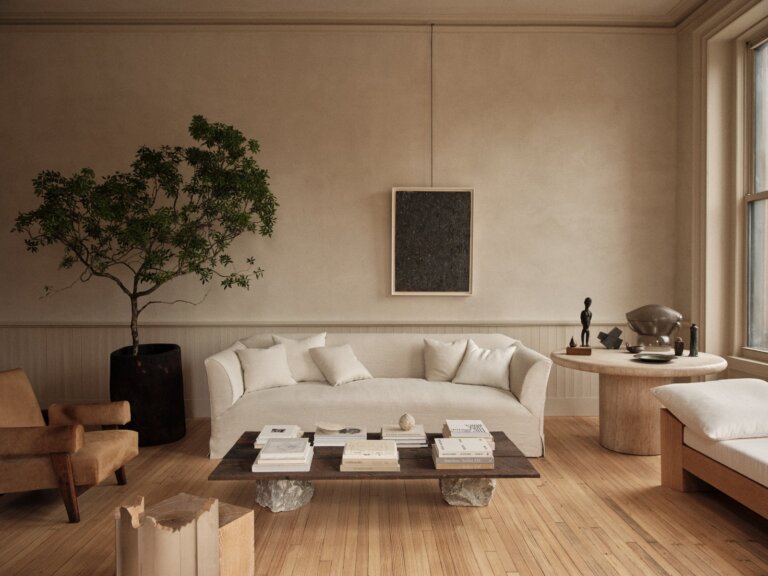
What is the Interior Designer Salary: A Comprehensive Guide


Hey There! Some links on InexDecor.com are affiliate links. If you make a purchase through them, we may earn a small commission at no extra cost to you. We only recommend trusted products to support our content. Thank you for your support!
There is no single salary for an interior designer. Pay depends on how the work is charged, how much experience a designer brings, where the work is done, and what kind of design they do. Two designers with the same job title can therefore be paid in very different ways, and the same designer can be paid differently from one project to the next.
This guide explains the general picture, without quoting pay figures that quickly go out of date. It sets out how interior designer pay is usually structured, what tends to push pay up or down, how entry-level work differs from senior work, and how to compare one offer or project with another. For official pay data, check the source linked later in this guide.
How Interior Designer Pay Is Structured
Interior designers are usually paid in one of three main ways, and many designers use a mix of them across different jobs.
A salary is a fixed amount paid regularly by an employer, usually with benefits such as paid leave and, in larger firms, health cover or retirement contributions. It gives the most predictable income, and it is the usual arrangement for designers employed by a design firm or a larger company.
Hourly pay charges for the time spent on a job, including meetings, site visits, sourcing and drawing time. It suits short consultations and small changes, where the amount of work is hard to fix in advance. Our guide to how much an interior designer makes per hour explains when hourly charging is most common.
A per-project or flat fee is agreed before the work starts, based on the size and complexity of the project rather than the hours it takes. It gives the client a clear total cost, but the designer carries the risk if the work takes longer than expected.
A monthly figure is simply a way of looking at the same pay over a shorter period. Our guide to how much an interior designer makes per month shows how annual and monthly views of the same pay relate to each other.
Some designers also earn through consultation fees, a retainer for ongoing work, or a markup on furniture and materials supplied through the project. These extras vary a great deal, so they should be treated as part of the whole arrangement, not as a separate salary.
What Moves Pay Up or Down
No single factor decides pay on its own. The factors below usually work together, and their importance changes from one employer, city and project to the next.
- Experience. Experience is usually the strongest influence. Designers who have handled more projects, managed clients and solved problems on site can take on work that a newcomer cannot, and employers and clients generally pay for that judgement.
- Credentials and licensure. Formal education, professional certification and, where it applies, licensure signal that a designer has met a recognised standard. They can open the door to regulated or commercial work and to firms that require them, even though they do not guarantee a particular level of pay.
- Firm size and type. Large firms and corporate clients often offer more structured pay, clearer progression and a wider range of projects, while small studios may offer broader hands-on experience and closer contact with clients. The kind of employer matters as much as its size.
- Specialisation. Designers who specialise — for example in hospitality, healthcare, workplace or high-end residential work — can become the obvious choice for that kind of project. A clear specialism can support stronger pay, but it can also narrow the range of work available.
- Location. Location affects both demand and the cost of doing business. Large cities with a busy construction and renovation market tend to support higher pay, while the same work in a smaller market may be paid differently. The effect is not only about the city itself, but about the clients and projects based there — as our guide to interior designer pay in New York City shows.
When you read any pay claim, ask which of these factors it assumes. A figure that makes sense for a senior designer in a large city will not describe an entry-level designer in a small studio.
Entry-Level vs Senior Designers
The gap between entry-level and senior pay reflects a gap in responsibility, not only in time served.
Entry-level designers usually support senior colleagues, prepare drawings and mood boards, source materials, attend site visits and learn how a studio works. Their pay reflects that supervised, learning stage, and their main reward in the early years is often the portfolio and experience they build.
Mid-career designers usually run projects of their own, manage clients and suppliers, coordinate contractors and take responsibility for budgets and deadlines. Because the risk and responsibility rise, so generally does the pay.
Senior designers often lead teams, win work, set design direction and advise clients at the most senior level. Their value lies in judgement, reputation and the ability to bring in and keep clients, as well as in design skill. That is why senior roles are usually the most highly paid, and also the most varied in how they are rewarded.
Moving between these stages is not automatic. It depends on the range of projects completed, the quality of the portfolio, the ability to manage people and clients, and the decision to take on more responsibility.
Employed vs Freelance Designers
An employed designer receives a regular salary, and usually benefits, paid leave and a fixed working pattern. Income is steadier, and progression follows the structure of the firm.
A freelance designer charges clients directly and keeps the fees they earn, after business costs. Income can be higher on a good project, but it is less steady: quiet periods, unpaid time spent finding work, and the cost of running a business all have to be covered from the same fees.
Neither route is better in itself. Employment suits designers who value stability and a team, while freelance work suits those who want control over their clients and hours and are willing to manage the uncertainty that comes with it.
How to Compare Pay Fairly
A headline pay figure on its own tells you very little. Before comparing two offers, or a salary with freelance fees, look at the whole package.
- Benefits and leave. Check what is included beyond the basic pay: paid leave, health cover, training, bonuses, and any support for professional exams or membership.
- Hours and workload. Ask about expected hours, overtime, travel and site work. A higher headline figure may come with much longer hours.
- Location and living costs. Compare pay in the context of where the work is based. Higher pay in an expensive city does not always mean more money left over.
- Growth and learning. Consider what you will learn, who you will work with, and whether the role leads to more responsibility. A role that builds your portfolio can be worth more over time than a slightly higher starting figure.
For official, independently collected information about this occupation, see the U.S. Bureau of Labor Statistics page on interior designers. Use it as a starting point, then check how the general picture applies to your own experience, specialism and location.
How to Grow Your Pay Over Time
Pay usually grows when a designer becomes more useful to clients and employers, not simply when more time passes.
Build a strong portfolio that shows finished work, not only ideas. Seek varied projects, learn to manage budgets and clients, and develop a specialism that clients value. Formal credentials, a reputation for reliable delivery and the ability to bring in new work all support higher pay over time, whether you stay employed or work independently.
It also helps to review pay regularly, understand what comparable roles involve, and be ready to negotiate with evidence — a record of projects delivered, clients retained and problems solved.
Frequently Asked Questions
How is an interior designer usually paid?
Usually by salary, by the hour, or by a fixed fee for a project. Many designers use more than one of these arrangements, depending on whether they are employed, freelance, or working on a short consultation or a full project.
Do entry-level designers earn less than senior designers?
Yes, in general. Entry-level designers work under supervision and are still building experience and a portfolio, while senior designers lead teams, manage clients and carry more responsibility, and that difference is normally reflected in pay.
Does certification or licensure affect pay?
It can help. Certification and licensure show that a designer has met a recognised standard, and some firms and types of work require them. They do not set pay by themselves, but they can widen the roles and projects a designer can take on.
Does location affect interior designer pay?
Yes. Demand, the type of clients and projects, and the cost of doing business all vary by place. Pay in a large, busy city is often higher than in a smaller market, but it should be judged against the cost of living and working there. For a city example, see our guide to interior designer pay in New York City.
Where can I find official pay data?
The U.S. Bureau of Labor Statistics page on interior designers publishes information about this occupation, including the nature of the work and the outlook for it. It is the best official starting point before comparing any other pay claims.
Conclusion
Interior designer pay is best understood as a structure, not a single figure. How a designer is paid, how much experience and responsibility they carry, what they specialise in, and where they work all shape the outcome. Compare the whole package, check official data, and judge any claim by the experience and context behind it.
If you want a single average figure for comparison, our 2026 update on the average salary for an interior designer gives that view — and this guide explains what lies behind it. You can also browse more guides in the Interior Design category and in FAQs.

My name is Mahi Uddin, and I’m a blog writer with over two years of experience specializing in creating engaging, informative content using AI tools. I contribute to InExDecor.com, where I share creative ideas and practical tips for transforming interior and exterior spaces into beautiful, functional environments. With a passion for storytelling and a knack for blending creativity with technology, I strive to craft blogs that not only inform but also inspire readers. When I’m not writing, you can find me exploring design trends or enjoying a good book with a cup of coffee.